

Planning your first adventure to Luxembourg City? You’ve picked one of Europe’s most dramatic and enchanting capitals! This ultimate guide is packed with everything you need to know to make your visit unforgettable. From exploring ancient fortress walls carved into cliffs to wandering through charming cobblestone streets, we’ve got you covered.
Luxembourg City, a UNESCO World Heritage site, offers an unparalleled blend of rich history, stunning natural beauty within its gorges, and a sophisticated, multicultural spirit. It’s a place that captivates every traveler, whether you’re delving into underground casemates, enjoying panoramic views from “Europe’s most beautiful balcony,” or savoring world-class cuisine.
Get ready to discover why Luxembourg City is a unique and rewarding travel destination. Let’s dive into the essential tips that will help you plan, budget, and experience the very best of this amazing fortress city.
Table of Contents
- 1. Why Visit Luxembourg City?
- 2. Best Time to Visit Luxembourg City
- 3. Top Attractions in Luxembourg City for First-Timers
- 4. Planning Your Luxembourg City Trip: A Step-by-Step Guide
- 5. Accommodation in Luxembourg City: Where to Stay
- 6. Getting Around Luxembourg City: Transportation Guide
- 7. How Much Does a Trip to Luxembourg City Cost?
- 8. Must-Try Foods and Cultural Delights
- 9. Staying Safe in Luxembourg City
- 10. Solo Travel in Luxembourg City
- 11. Traveling Luxembourg City with Family or as a Senior
- 12. Digital Nomads in Luxembourg City
- 13. Essential Packing List in our Luxembourg City Travel Guide
- 14. FAQs for First-Timers
- 15. What’s Next? More Guides to Explore
1. Why Visit Luxembourg City?
Luxembourg City is a destination of captivating beauty and understated elegance. It stands out as a top choice for travelers seeking a unique blend of history, nature, and modernity in a clean, safe environment. Its dramatic setting, perched atop deep gorges, and its status as a UNESCO World Heritage site make it truly special.
The Allure of the Fortress City
Imagine exploring a city carved into a cliffside, walking along ancient ramparts with breathtaking views, or taking a glass elevator from the upper city to the tranquil valley below. Luxembourg City offers all this and more. The city boasts a welcoming, multilingual population, a high-quality culinary scene, and a wealth of historical sites to explore.
From the charming old town of the Grund to the modern architectural wonders of the Kirchberg plateau, Luxembourg City promises a journey filled with discovery. It’s a place where every corner reveals a new perspective, and every path leads to a piece of history.
Looking for the best hotel or flight deals?
Plan your trip with ease using the Expedia search tool below. From charming boutique hotels to luxury resorts, this widget helps you compare top options in seconds — flights included!
2. Best Time to Visit Luxembourg City
Choosing the right time to visit Luxembourg City can significantly enhance your experience. The city has four distinct seasons, each offering unique charms for different types of activities.
Spring (April-May): Blooming Valleys & Fewer Crowds
- Weather: Cool and crisp, with temperatures from 10-18°C (50-64°F). Perfect for sightseeing as the city’s parks and valleys awaken.
- Crowds: Fewer crowds than summer, making it ideal for exploring the Old Town and major attractions.
- Pros: The Pétrusse and Alzette valleys are vibrant and green. The weather is comfortable for walking and exploring the city’s many outdoor spaces.
- Cons: The weather can be unpredictable with spring showers.
Summer (June-August): Long Days & Outdoor Festivals
- Weather: The warmest months, with temperatures often reaching 20-25°C (68-77°F).
- Crowds: Peak tourist season, but still far less crowded than major European capitals.
- Pros: Best weather for enjoying outdoor cafes, open-air concerts (like the “Summer in the City” festival), and walking the city’s ramparts. All attractions have longer opening hours.
- Cons: Can be more expensive for accommodation. Book well in advance.
Autumn (September-October): Golden Hues & Cultural Events
- Weather: Mild and often beautiful, especially in September, with temperatures from 15-20°C (59-68°F).
- Crowds: Crowds begin to thin out significantly after the first week of September.
- Pros: Stunning autumn colors in the valleys make for beautiful walks. The weather is still pleasant for sightseeing, and the city’s cultural season kicks off.
- Cons: Days get shorter, and it can be rainy and cool, especially in October.
Winter (November-March): Festive Markets & Cozy Charm
- Weather: Cold and often overcast, with temperatures from -2 to 5°C (28-41°F). Snow is possible, adding a magical touch.
- Crowds: Very few tourists outside of the Christmas market season.
- Pros: The “Winterlights” festival and Christmas markets are magical. Excellent for budget travel (outside of the holiday period) and enjoying cozy cafes.
- Cons: Very short daylight hours. It can be damp and cold, making extensive outdoor exploration less appealing.
Recommendation for First-Timers: For the perfect balance of great weather and manageable crowds, aim for late spring (May-June) or early autumn (September).
Worried about landing with no signal? Get an Airalo eSIM for your trip — trusted by 20M+ travelers with coverage in 200+ destinations, often cheaper than roaming.
3. Top Attractions in Luxembourg City for First-Timers
As a compact and walkable city, Luxembourg City is packed with diverse and world-class attractions. Here are the must-visit spots for your first trip.
The Old Town (Ville Haute) & Fortifications
The historic heart of the city and a UNESCO World Heritage site. Wander through its charming squares like Place d’Armes and Place Guillaume II, and explore the ancient fortifications that gave the city its nickname, the “Gibraltar of the North.”
Chemin de la Corniche
Often called “Europe’s most beautiful balcony,” this pedestrian promenade winds along the 17th-century ramparts, offering breathtaking views over the lower town of the Grund and the Alzette valley. It’s an essential walk for any visitor.
The Bock Casemates
Delve into the city’s military past by exploring this extraordinary network of underground tunnels and galleries carved into the Bock cliff. These fortifications housed soldiers and cannons and offer a fascinating glimpse into the city’s history and strategic importance.
The Grund
This picturesque lower town, nestled in the Alzette valley, feels like a village within the city. With its cobblestone streets, charming houses, and riverside terraces, it’s a perfect place for a peaceful stroll. Access it via the public elevator for a dramatic descent.
The Pfaffenthal & Panoramic Elevator
Another historic district in the valley, Pfaffenthal is connected to the upper city by a spectacular 71-meter-high glass elevator. The ride itself is an attraction, offering stunning panoramic views of the valley and the Kirchberg plateau.
Grand Ducal Palace
The official residence of the Grand Duke of Luxembourg, this beautiful building in the heart of the Old Town is a stunning example of Flemish Renaissance architecture. Guided tours of the interior are available during the summer months.
4. Planning Your Luxembourg City Trip: A Step-by-Step Guide
Planning your first visit to Luxembourg City is exciting and straightforward. Its compact size and incredible public transport make it very easy to navigate. Breaking it down into steps makes the process even smoother.
Setting Your Budget & Travel Style
First, decide on your budget. Luxembourg City is known for being one of Western Europe’s more expensive cities, particularly for dining and accommodation. Decide if you want a history-focused city break, a sophisticated culinary tour, or a base for exploring the wider country.
Crafting Your Itinerary
A 2-3 day trip is perfect for thoroughly exploring Luxembourg City’s main attractions. You can dedicate one day to the Old Town and fortifications, another to the valleys (Grund, Pfaffenthal) and museums, and still have time for relaxing in cafes.
Booking Flights & Accommodation
Book flights to Luxembourg Airport (LUX) 3-6 months in advance for the best prices. The airport is very close to the city center. Book accommodation well in advance, especially for summer or during major events, as options can be limited and pricey.
Understanding Visa & Entry Requirements
For most nationalities (e.g., US, UK, EU, Canadian, Australian citizens), a visa is not required for tourist stays of up to 90 days. Always ensure your passport is valid for at least six months beyond your intended departure date from the Schengen Area.
Securing Travel Insurance
This is non-negotiable. Get comprehensive travel insurance that covers medical emergencies, trip cancellations, and lost belongings. It’s a small investment for essential peace of mind.
5. Accommodation in Luxembourg City: Where to Stay
Luxembourg City offers a good range of high-quality accommodation, though it tends to be more expensive than in neighboring countries. Options range from luxury hotels to modern hostels.

Ville Haute (Upper Town): The Historic Heart
- Pros: You’re right in the middle of the action, with major attractions, restaurants, and shops at your doorstep. The atmosphere is unbeatable.
- Cons: This is generally the most expensive area to stay.
Gare (Station District): Budget-Friendly & Connected
- Pros: This area around the central train station offers a wider range of hotels, including more budget-friendly options. It has excellent transport links to the airport and the rest of the country.
- Cons: Can be less charming and feel a bit grittier than the Old Town, especially at night.
Grund & Clausen: Picturesque & Lively
- Pros: Staying in the lower town offers a unique, village-like experience. Clausen is known for its vibrant nightlife and restaurant scene.
- Cons: Can be noisy at night. Requires walking up steep hills or using an elevator to get to the main city center.
Kirchberg: Modern & Business-Oriented
- Pros: Home to modern hotels, EU institutions, and impressive contemporary architecture. Well-connected to the city center by tram.
- Cons: Lacks the historic charm of the Old Town and can feel sterile after business hours.
6. Getting Around Luxembourg City: Transportation Guide
Getting around Luxembourg City is incredibly easy and a standout feature of any trip. The city’s public transport network is modern, efficient, and completely free to use.

Public Transport (Trams & Buses): Completely FREE!
- Pros: All public transport—trams and buses—within the city is completely free of charge. The network is modern, clean, and extensive, connecting all major districts from the airport to the city center and beyond.
- Cons: None. It’s one of the best public transport systems in the world.
- How it Works: Simply hop on any bus or tram and find a seat. No tickets are needed. The tram is particularly useful for connecting the central station, the city center, and the Kirchberg plateau.
Walking: The Best Way to Explore
- Pros: The city center (Ville Haute) is compact and best explored on foot. Walking allows you to discover hidden alleyways, charming squares, and stunning viewpoints.
- Cons: The city is built on multiple levels, so be prepared for some steep hills and stairs.
Elevators & Funicular: Connecting the Levels
- Pros: The city has several free public elevators, including the spectacular Pfaffenthal Panoramic Elevator and the elevator connecting the Grund to the Upper Town. These are essential for avoiding long, steep walks and offer amazing views.
- Cons: None. They are a unique and practical part of the city’s transport system.
Cycling: A Green Alternative
- Pros: The city has a network of cycle paths and a bike-sharing system (vel’OH!). It’s a great way to explore the valleys and parks.
- Cons: The hilly terrain can be challenging for casual cyclists.
Want to save on train tickets? Search routes and compare prices on Omio — and check for available discounts or referral credit when you book (offers can vary by location/account).
7. How Much Does a Trip to Luxembourg City Cost?
Luxembourg City has a reputation for being expensive, which is true for dining out and accommodation. However, with free public transport and affordable options, a trip can be managed on a reasonable budget.
Daily Cost Estimates (Per Person, excluding accommodation)
- Budget Traveler: €40-€70 / $44-77 USD per day
- Food: Supermarket meals, bakeries, cooking your own food at a hostel.
- Transport: Free.
- Activities: Free activities like walking tours, exploring the Grund, and enjoying the views.
- Mid-Range Traveler: €80-€150 / $88-165 USD per day
- Food: Eating out at casual restaurants for lunch or dinner, enjoying cafes.
- Transport: Free.
- Activities: Paid attractions like the Bock Casemates, museums, and guided tours.
- Luxury Traveler: €200+ / $220+ USD per day
- Food: Fine dining, multi-course meals in high-end restaurants.
- Transport: Free (or taxis for convenience).
- Activities: Private tours, exclusive experiences, high-end shopping.
Money-Saving Tips:
- Utilize Free Public Transport: This is your biggest money-saver. You can explore the entire city and even take day trips without spending a cent on transport.
- Enjoy Free Attractions: Walking the Chemin de la Corniche, exploring the Grund, and riding the panoramic elevators are all free and world-class experiences.
- Eat at Bakeries: For a cheap and delicious lunch, grab a sandwich or a pastry from a local bakery (“boulangerie”).
- Shop at Supermarkets: Chains like Cactus, Monoprix, and Alima are great for affordable groceries, snacks, and drinks.
- Get the LuxembourgCard: If you plan on visiting many paid attractions and museums, this card offers free entry to over 90 sites and can be a great value.
8. Must-Try Foods and Cultural Delights
Luxembourg City’s cuisine is a hearty and delicious blend of French finesse and German generosity. The city has a sophisticated dining scene, from Michelin-starred restaurants to cozy traditional eateries.

Iconic Luxembourgish Dishes
- Bouneschlupp: A traditional and beloved green bean soup, often cooked with potatoes, bacon, and sometimes sausage. A perfect hearty lunch.
- Judd mat Gaardebounen: Considered the national dish, this consists of a smoked pork collar served in a creamy sauce with broad beans. Many traditional restaurants in the city serve it.
- Kachkéis: A cooked cheese, similar to a very soft and mild processed cheese, typically served warm over a slice of bread with mustard. A true local experience.
- Gromperekichelcher: Crispy potato fritters or pancakes, often seasoned with onion and parsley. A popular snack you’ll find at markets and festivals.
- Rieslingspaschtéit: A sophisticated meat pie where the filling is encased in a Riesling-flavored aspic. A local delicacy found in many butcher shops and bakeries.
The Local Drink Scene
While in the city, be sure to try some of the excellent white wines from the nearby Moselle Valley, particularly Riesling and Pinot Gris. Also popular is Crémant de Luxembourg, a high-quality sparkling wine. The city has numerous wine bars and cozy pubs.
Cultural Etiquette & Local Customs
- Multilingualism: It’s normal to hear Luxembourgish, French, German, and English spoken. French is the most common language in restaurants and shops, but English is widely understood.
- Punctuality: Being on time for reservations is important and expected.
- Greetings: A simple “Moien” (Hello in Luxembourgish) is a polite and universal greeting.
- Tipping: Service is usually included in restaurant bills. Tipping is not obligatory but rounding up the bill or leaving 5-10% for excellent service is appreciated.
9. Staying Safe in Luxembourg City
Luxembourg City is consistently ranked as one of the safest cities in the world. Crime rates are extremely low, and it is an exceptionally safe destination for tourists. Common sense is all that is required.
General Safety Tips
- Petty Crime: While very rare, take normal precautions in crowded tourist areas like Place d’Armes or the Gare district. Don’t leave valuables unattended in cafes or restaurants.
- Gare District at Night: The area around the central train station can feel a bit less safe than the rest of the city late at night. It’s best to be aware of your surroundings if you are in this area after dark.
- Walking: Be mindful of the steep drops along the city’s ramparts and viewpoints. Always stay behind safety railings.
Emergency Numbers
- The universal emergency number in Luxembourg is 112 for police, ambulance, and fire services.
10. Solo Travel in Luxembourg City
Luxembourg City is a fantastic and extremely safe destination for solo travelers. It’s easy to get around, its compact size makes it manageable, and the multilingual environment is very welcoming.
The city’s incredible safety record and free, efficient public transport allow for stress-free independent exploration. Joining a free walking tour is a great way to get your bearings and connect with fellow travelers. The city’s many cafes and parks are perfect for relaxing and people-watching alone.
11. Traveling Luxembourg City with Family or as a Senior
Luxembourg City’s cleanliness, safety, and diverse offerings make it an excellent choice for both families and seniors.
Traveling with Family
- Castle Fun: Kids will love exploring the Bock Casemates and the city’s fortress-like feel. The “pirate ship” playground in the municipal park is a huge hit.
- Easy Transport: The free buses and trams, plus the funicular and panoramic elevators, make getting around with children easy and exciting.
- Pacing: The city is small, so you can see a lot without long, boring journeys.
Traveling as a Senior
- Accessibility: The city has some steep hills, but the excellent public bus system and the free public elevators make it very manageable. Many museums and attractions are accessible.
- Pace: Opt for a slower pace. Enjoy the many benches with stunning views, relax in elegant cafes, and consider a “hop-on, hop-off” bus tour to see the sights comfortably.
- Safety and Comfort: The city is very safe, and the high quality of services makes for a comfortable trip. The free, efficient transport is a major benefit.
12. Digital Nomads in Luxembourg City
Luxembourg City is a top-tier destination for professionals and digital nomads who prioritize stability, high quality of life, and a central European location, though it comes at a higher cost.
- Visa Considerations: As part of the EU, Luxembourg allows EU citizens to live and work freely. For non-EU citizens, options like a self-employment visa are available but require a solid business plan and proof of financial resources.
- The Hub of the Country: The city is the undisputed hub for work and life. It’s a major international finance and business center with a large expat community, countless cafes with Wi-Fi, and numerous co-working spaces.
- Connectivity: Internet is famously fast, reliable, and widespread throughout the city.
- Cost of Living: The main challenge. The cost of living, especially rent, is very high. This destination is best suited for well-established freelancers or remote workers with high incomes.
- Lifestyle: The lifestyle is quiet, safe, and offers a great work-life balance. Its central location is a huge plus for weekend trips to Belgium, France, and Germany.
Looking for a smarter way to manage your travel money? Wise offers real exchange rates with no hidden fees, making it the perfect companion for international trips.
13. Essential Packing List in our Luxembourg City Travel Guide
Packing for Luxembourg City is about preparing for changeable weather and lots of walking. Versatility and layers are key.
Clothing
- Waterproof/Windproof Jacket: Absolutely essential for any season, as rain showers can be sudden.
- Layers: T-shirts, long-sleeved tops, and a fleece or wool sweater are crucial for adapting to temperature changes.
- Comfortable Walking Shoes: This is the most important item. You’ll be walking a lot on cobblestones and up and down hills.
- Warm Gear (for winter): A proper winter coat, thermal underwear, warm hat, gloves, and a scarf are non-negotiable for a winter trip.
- Slightly Dressier Outfit: For a nice dinner or a night out. The city has a sophisticated side, and you won’t feel out of place being a bit dressed up in the evening.
Essentials & Accessories
- Universal Travel Adapter: Luxembourg uses Type F plugs (two round pins).
- Reusable Water Bottle: To stay hydrated with the city’s excellent tap water.
- Daypack: Essential for daily excursions to carry your layers, water, and camera.
- Sunscreen & Sunglasses: Even on cloudy days, the sun can be strong.
- Copies of Documents: Keep digital and physical copies of your passport.

Taygeer Travel Backpack for Women, Carry On Backpack with USB Charging Port & Shoe Pouch, TSA 15.6inch Laptop Mochila Flight Approved, Nurse Bag Casual Daypack for Weekender Business Hiking, Pink
$21.79 (as of March 6, 2026 15:28 GMT +02:00 - More infoProduct prices and availability are accurate as of the date/time indicated and are subject to change. Any price and availability information displayed on [relevant Amazon Site(s), as applicable] at the time of purchase will apply to the purchase of this product.)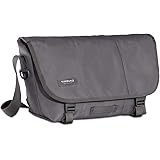
Timbuk2 Classic Messenger Bag
(as of March 6, 2026 15:28 GMT +02:00 - More infoProduct prices and availability are accurate as of the date/time indicated and are subject to change. Any price and availability information displayed on [relevant Amazon Site(s), as applicable] at the time of purchase will apply to the purchase of this product.)
YOOLIFE Easter Gifts for Kids Girls - Birthday Gifts for 3 4 5 6 7 8 9 10 11 12 Year Old Girl, Initial Fanny Pack Belt Bag Girls Purse Crossbody Bag, Gift for Girl Kids Daughter Sister, Pink A
$15.99 (as of March 6, 2026 15:28 GMT +02:00 - More infoProduct prices and availability are accurate as of the date/time indicated and are subject to change. Any price and availability information displayed on [relevant Amazon Site(s), as applicable] at the time of purchase will apply to the purchase of this product.)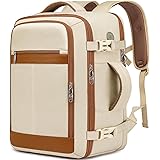
Travel Backpack for Women Airline Approved Carry On Backpack with Shoe Pouch,TSA 15.6inch Laptop Mochila Flight Approved Personal Item Bag for Weekender Overnight Bags Bookbag Travel Essentials,Beige
$19.99 (as of March 6, 2026 15:28 GMT +02:00 - More infoProduct prices and availability are accurate as of the date/time indicated and are subject to change. Any price and availability information displayed on [relevant Amazon Site(s), as applicable] at the time of purchase will apply to the purchase of this product.)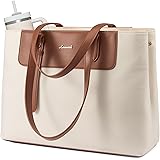
LOVEVOOK Laptop Tote Bag for Women, Water-Resistant Work Tote Bag Large Capacity Computer Bag for Travel, Nylon & PU
$24.98 (as of March 6, 2026 15:28 GMT +02:00 - More infoProduct prices and availability are accurate as of the date/time indicated and are subject to change. Any price and availability information displayed on [relevant Amazon Site(s), as applicable] at the time of purchase will apply to the purchase of this product.)As an Amazon Associate, we earn from qualifying purchases.
14. FAQs for First-Timers
Here are some frequently asked questions to help you plan your first trip to Luxembourg City.
What currency does Luxembourg use?
Luxembourg uses the Euro (€). It was one of the founding members of the Eurozone.
Is English widely spoken in Luxembourg City?
Yes, English proficiency is excellent. Due to its international population and business focus, English is a common language of communication alongside Luxembourgish, French, and German.
Is Luxembourg City expensive?
Yes, it is one of the more expensive cities in Western Europe, particularly for accommodation and dining. However, the fact that all public transport is free helps to offset costs significantly.
How do I get from the airport to the city center?
It’s very easy and free. Several bus lines (like numbers 16 and 29) run frequently from the airport to the city center and the central train station. The journey takes about 20-30 minutes.
Is a car needed to explore Luxembourg City?
No, a car is not necessary and not recommended. The city is very walkable, and the free, efficient public transport system covers all areas. Parking is difficult and very expensive.
How many days do I need in Luxembourg City?
Two to three days are ideal to see the main sights of Luxembourg City at a comfortable pace, including the major attractions, museums, and different districts.
15. What’s Next? More Guides to Explore
Your Luxembourg City adventure is just the beginning! This unique capital serves as the perfect gateway to the rest of the Grand Duchy. With free public transport across the entire country, exploring beyond the city walls is incredibly easy.
Explore Beyond the City
Consider taking a day trip to experience more of what Luxembourg has to offer:
- Vianden Castle: A stunning fairytale fortress in the Ardennes, easily reachable by train and bus.
- The Mullerthal Region: Known as “Luxembourg’s Little Switzerland,” it’s a paradise for hikers, just a short bus ride away.
- The Moselle Valley: Explore the picturesque wine region along the German border, visiting charming towns and local wineries.
Your Next Adventure with Tripstou.com
At Tripstou.com, we are dedicated to helping you plan unforgettable journeys. Whether you’re looking for detailed guides to other European cities, tips for budget travel, or inspiration for your next big adventure, we’ve got you covered.
Happy travels, and enjoy your unforgettable journey through Luxembourg City!
🇪🇺 Western Europe Countries
- France Travel Guide
- Spain Travel Guide
- Portugal Travel Guide
- Netherlands Travel Guide
- Belgium Travel Guide
- Luxembourg Travel Guide
- Ireland Travel Guide
- England Travel Guide
🇪🇺 Southern Europe & Balkans Countries
- Italy Travel Guide
- Greece Travel Guide
- Croatia Travel Guide
- Montenegro Travel Guide
- Albania Travel Guide
- Malta Travel Guide
- Bosnia and Herzegovina Travel Guide
- Serbia Travel Guide
- North Macedonia Travel Guide
- Kosovo Travel Guide
🇪🇺 Northern Europe & Nordics Countries
- Sweden Travel Guide
- Norway Travel Guide
- Finland Travel Guide
- Denmark Travel Guide
- Iceland Travel Guide
- Scotland Travel Guide
🇪🇺 Central Europe Countries
- Germany Travel Guide
- Austria Travel Guide
- Switzerland Travel Guide
- Poland Travel Guide
- Czechia Travel Guide
- Hungary Travel Guide
- Slovakia Travel Guide
- Slovenia Travel Guide
🇪🇺 Eastern Europe & Baltics Countries
- Romania Travel Guide
- Bulgaria Travel Guide
- Ukraine Travel Guide
- Moldova Travel Guide
- Lithuania Travel Guide
- Latvia Travel Guide
- Estonia Travel Guide
- Belarus Travel Guide

