
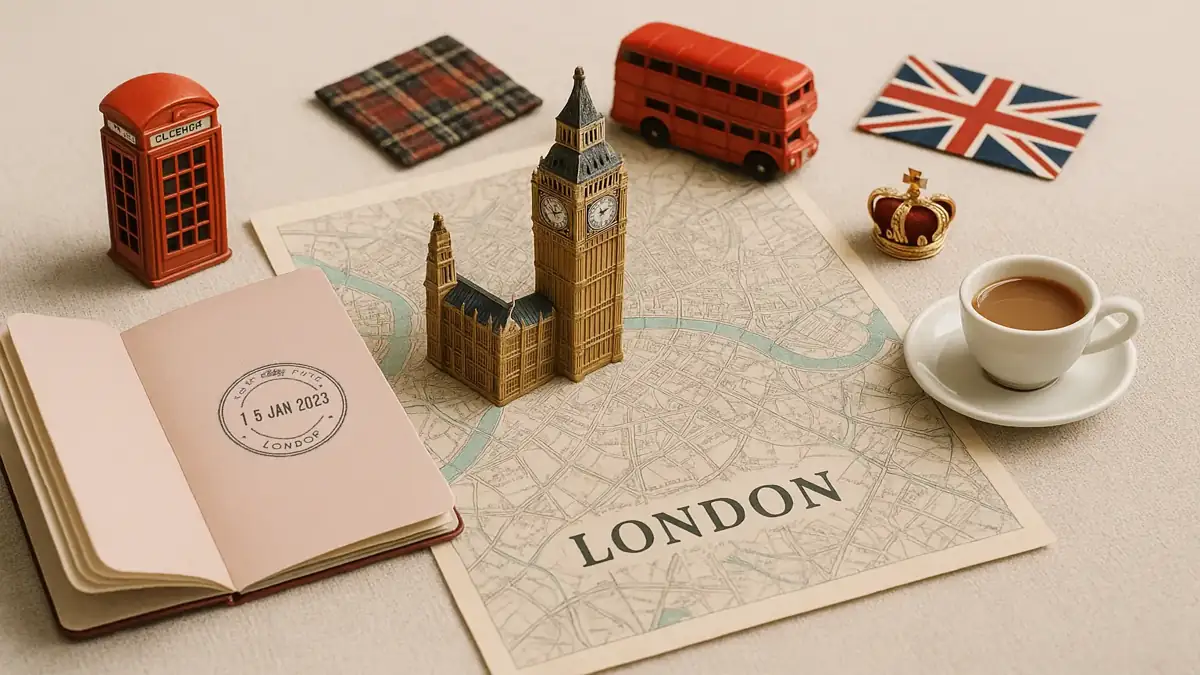
Planning your first adventure to London? Get ready for an unforgettable journey into one of the world’s most iconic cities! This ultimate guide is packed with everything you need to know, from navigating the Tube to discovering hidden gems. Whether you’re here for the royal history, world-class museums, or vibrant street markets, we’ve got you covered.
London is a city where centuries of history meet cutting-edge culture. It’s a place that captivates every traveler, whether you’re marveling at the Tower of London, catching a show in the West End, or simply enjoying a pint in a traditional pub. This handbook will help you plan, budget, and experience the very best of this incredible metropolis.
Table of Contents
- 1. Why Visit London?
- 2. Best Time to Visit London
- 3. Top Destinations in London for First-Timers
- 4. Planning Your London Trip: A Step-by-Step Guide
- 5. Accommodation in London: Where to Stay
- 6. Getting Around London: Transportation Guide
- 7. How Much Does a Trip to London Cost?
- 8. Must-Try Foods and Cultural Delights
- 9. Staying Safe in London
- 10. Solo Travel in London
- 11. Traveling London with Family or as a Senior
- 12. Digital Nomads in London
- 13. Essential Packing List in our London Travel Guide
- 14. FAQs for First-Timers
- 15. What’s Next? More Guides to Explore
1. Why Visit London?
London is more than just a city; it’s a world in one place. Its unparalleled blend of history, art, innovation, and cultural diversity makes it an essential destination for any traveler. The city’s energy is infectious, offering a warm welcome to visitors from across the globe.
From the royal grandeur of Buckingham Palace to the gritty street art of Shoreditch, London presents a captivating contrast at every turn. It’s a place that seamlessly blends timeless traditions with a relentlessly modern pulse. You can explore ancient Roman walls in the morning and attend a world-premiere play in the evening.
Many of its world-class museums and galleries offer free entry, making culture accessible to all. Combined with its iconic landmarks, sprawling green parks, and a culinary scene that represents every corner of the world, London promises an adventure that is as diverse as it is unforgettable.
Looking for the best hotel or flight deals?
Plan your trip with ease using the Expedia search tool below. From charming boutique hotels to luxury resorts, this widget helps you compare top options in seconds — flights included!
2. Best Time to Visit London
Choosing the right time to visit London can significantly enhance your experience. While it’s a year-round destination, each season offers a different vibe, with unique advantages related to weather, crowds, and cost.
Spring (April-May): Pleasant Weather & Royal Parks in Bloom
- Weather: Mild and pleasant, with temperatures from 10-18°C (50-64°F). The city’s parks are bursting with color.
- Crowds: Moderate. It gets busier around the Easter holidays, but it’s generally less crowded than summer.
- Pros: Ideal weather for walking and exploring. Longer daylight hours and a vibrant, fresh atmosphere.
- Cons: “April showers” are a real phenomenon; expect some rain.
Summer (June-August): Long Days & Festive Atmosphere
- Weather: The warmest months, with temperatures often reaching 20-25°C (68-77°F) or higher.
- Crowds: Peak tourist season. Expect large crowds at all major attractions and higher prices for flights and accommodation.
- Pros: Best weather for enjoying outdoor cafes, rooftop bars, and music festivals. All attractions have longer opening hours.
- Cons: Can be very crowded and expensive. The Tube can get uncomfortably hot.
Autumn (September-October): Golden Hues & Cultural Season
- Weather: Mild and often beautiful, especially in September, with temperatures from 15-20°C (59-68°F).
- Crowds: Crowds begin to thin out, offering a more relaxed experience.
- Pros: Stunning autumn colors in the parks. The cultural season kicks off with new theatre shows and exhibitions.
- Cons: Days get shorter, and the weather becomes cooler and wetter towards October.
Winter (November-March): Festive Lights & Cozy Pubs
- Weather: Cold and often damp, with temperatures from 2-8°C (36-46°F).
- Crowds: Fewer tourists (excluding the Christmas period), making it a great time for budget travel.
- Pros: Magical Christmas lights and markets in December. Excellent for enjoying museums without the crowds and cozying up in historic pubs.
- Cons: Short daylight hours and cold, often grey weather.
Recommendation for First-Timers: For the perfect balance of pleasant weather and manageable crowds, aim for the “shoulder seasons”: late spring (May-June) or early autumn (September).
Worried about landing with no signal? Get an Airalo eSIM for your trip — trusted by 20M+ travelers with coverage in 200+ destinations, often cheaper than roaming.
3. Top Destinations in London for First-Timers
For a first trip to London, focusing on the iconic landmarks and diverse neighborhoods is key. These must-visit spots provide a fantastic introduction to the city’s history, culture, and vibrant energy.
The Icons: History & Royalty
- The Tower of London: A historic castle on the Thames. Explore its dark past, see the dazzling Crown Jewels, and meet the famous Beefeaters.
- Buckingham Palace: The official residence of the monarch. Witness the Changing of the Guard ceremony (check schedule) or tour the State Rooms in summer.
- Houses of Parliament & Big Ben: An iconic symbol of London. While you can’t miss seeing it from the outside, tours of the Parliament are also available.
- Westminster Abbey: A stunning Gothic church that has hosted royal coronations, weddings, and burials for centuries.
Culture & Art Hubs
- The British Museum: Home to world treasures like the Rosetta Stone and the Elgin Marbles. Entry to the permanent collection is free.
- The National Gallery: Located in Trafalgar Square, it houses masterpieces of Western European painting from the Middle Ages to the 20th century. Free entry.
- Tate Modern: A powerhouse of international modern and contemporary art, set in a former power station on the South Bank. Free entry.
- The South Bank: A vibrant cultural stretch along the Thames, home to the London Eye, street performers, food markets, and the National Theatre.
Vibrant Neighborhoods & Markets
- Covent Garden: Famous for its street performers, elegant market building, and abundance of shops and restaurants.
- Notting Hill: Known for its colorful houses, the famous Portobello Road Market, and the annual Notting Hill Carnival.
- Shoreditch: The heart of cool East London, famous for its street art, vintage shops, and trendy bars.
- Borough Market: A food lover’s paradise near London Bridge, offering an incredible array of artisanal foods, street food, and fresh produce.
4. Planning Your London Trip: A Step-by-Step Guide
Planning your first visit to a massive city like London can feel overwhelming, but breaking it down into simple steps will ensure a smooth and stress-free experience. Follow this guide to stay organized.
Setting Your Budget & Travel Style
First, decide on your budget. London can be notoriously expensive, but it’s also possible to visit on a budget. Decide if you want a luxury city break, a culture-packed museum tour, or a budget-friendly exploration of free attractions and local markets.
Crafting Your Itinerary
Don’t try to see everything. London is huge. Group attractions by neighborhood to minimize travel time. For a 3-4 day trip, focus on the central London icons. With a week, you can explore more neighborhoods like Greenwich, Notting Hill, or take a day trip.
Booking Flights & Accommodation
Book flights 3-6 months in advance for the best prices, flying into one of London’s major airports (Heathrow, Gatwick, Stansted, Luton, or City). Book accommodation even earlier, especially for summer, as good, centrally located options fill up fast.
Understanding Visa & Entry Requirements
For most nationalities (e.g., US, EU, Canadian, Australian citizens), a visa is not required for tourist stays of up to 90 days. However, the UK is rolling out an Electronic Travel Authorisation (ETA) system. Always check the official UK government website (gov.uk) to see if your nationality requires an ETA for your travel dates.
Securing Travel Insurance
This is non-negotiable. Comprehensive travel insurance is essential to protect you from unexpected events like medical emergencies, trip cancellations, or lost luggage. It’s a small price for invaluable peace of mind.
5. Accommodation in London: Where to Stay
Choosing the right neighborhood to stay in is crucial for your London experience. The city offers a vast range of options, from budget hostels to luxurious grand hotels, spread across its diverse districts.

Best Neighborhoods for First-Timers
- Covent Garden & The West End: The heart of the action. Perfect if you want to be within walking distance of theatres, major attractions, and countless restaurants. Can be expensive and noisy.
- South Kensington: An elegant and quieter area, ideal for museum lovers as it’s home to the V&A, Science Museum, and Natural History Museum. Well-connected and safe.
- South Bank & Bankside: Great for arts and culture, with the Tate Modern, Shakespeare’s Globe, and Borough Market nearby. Offers stunning riverside views and is very central.
- Victoria or Paddington: Excellent transport hubs. These areas are practical, well-connected to airports and the rest of the city, and offer a wide range of hotels for all budgets.
- Shoreditch: For those seeking a trendier, more alternative vibe. Known for its street art, vintage shops, and trendy bars. A bit further from the main tourist sites but with a unique character.
Types of Accommodation
- Hostels: The most budget-friendly option, perfect for solo travelers. Look for modern hostels in central locations.
- Budget & Mid-Range Hotels: Chains like Premier Inn, Travelodge, and Ibis offer reliable, clean, and no-frills accommodation in convenient locations.
- Boutique Hotels: For a more unique and stylish stay, London has countless boutique hotels with distinct personalities.
- Luxury Hotels: London is home to some of the world’s most famous luxury hotels, like The Savoy, The Ritz, and Claridge’s, offering impeccable service at a premium price.
- Apartments (Aparthotels): A great choice for families or longer stays, offering kitchen facilities and more space.
6. Getting Around London: Transportation Guide
London’s public transport system is one of the most comprehensive in the world. Mastering it is key to making the most of your trip. It’s efficient, extensive, and the best way to navigate the sprawling city.

The London Underground (The Tube)
- Pros: The fastest way to travel across the city. The network is extensive, with 11 lines covering most of London.
- Cons: Can be extremely crowded during peak hours (7:30-9:30 AM and 5:00-7:00 PM). Some lines are not air-conditioned and can get very hot in summer.
The Iconic Red Buses
- Pros: A fantastic way to see the city as you travel. The network is even more extensive than the Tube, and it runs 24/7 on many routes.
- Cons: Much slower than the Tube, especially in traffic.
Payment: Oyster Card & Contactless
Cash is not accepted on London buses, and buying single paper tickets for the Tube is very expensive. The best and cheapest way to pay is:
- Contactless Payment: Simply tap your contactless credit/debit card or phone/watch (Apple Pay, Google Pay) on the yellow card readers to pay for your journey. This is the easiest method.
- Oyster Card: A reusable smartcard you can top up with credit. You can buy one at any Tube station.
- Daily Capping: Both methods have a “daily cap,” meaning you’ll never pay more than a certain amount for all your journeys in a single day, no matter how many you take.
Other Transport Options
- Walking: The best way to explore individual neighborhoods. Central London is surprisingly walkable.
- Santander Cycles (“Boris Bikes”): A fun and affordable way to get around for short journeys. Docking stations are all over the city.
- Taxis & Ride-Sharing: Black Cabs are iconic and can be hailed on the street, but they are expensive. Ride-sharing apps like Uber and Bolt are also widely available.
- River Bus (Thames Clippers): A scenic way to travel along the Thames, connecting key spots like Westminster, the Tower of London, and Greenwich.
Want to save on train tickets? Search routes and compare prices on Omio — and check for available discounts or referral credit when you book (offers can vary by location/account).
7. How Much Does a Trip to London Cost?
London has a reputation for being one of the most expensive cities in the world, and for good reason. However, with smart planning, it’s possible to visit without breaking the bank. Here’s a realistic breakdown of costs.
Daily Cost Estimates (Per Person)
- Budget Traveler: £70-£120 per day
- Accommodation: Hostel dorms.
- Food: Supermarket meal deals, street food, cooking in a hostel.
- Transport: Hitting the daily cap on public transport.
- Activities: Focusing on free museums and parks.
- Mid-Range Traveler: £150-£250 per day
- Accommodation: Mid-range hotel or private apartment.
- Food: Mix of casual restaurants, pub meals, and cafes.
- Transport: Public transport, maybe an occasional taxi.
- Activities: One or two paid attractions per day (e.g., Tower of London, a theatre show).
- Luxury Traveler: £400+ per day
- Accommodation: Luxury hotel.
- Food: Fine dining, afternoon tea, cocktails.
- Transport: Taxis, private transfers.
- Activities: Private tours, premium experiences, high-end shopping.
Money-Saving Tips:
- Visit Free Museums: Take advantage of the free entry to world-class museums like the British Museum, National Gallery, Tate Modern, Science Museum, and Natural History Museum.
- Eat Smart: Look for lunch “meal deals” at supermarkets (like Tesco, Sainsbury’s, M&S). Explore street food markets like Borough Market or Camden Market for delicious and affordable meals.
- Use Contactless/Oyster: Never buy single paper tickets for public transport. Rely on the daily capping of contactless or Oyster cards.
- Walk: Central London’s sights are often closer than they appear on the Tube map. Walking saves money and helps you discover more.
- Book in Advance: Book train tickets, theatre shows, and major attractions online and in advance for significant discounts.
- Enjoy the Parks: London’s Royal Parks (Hyde Park, Regent’s Park, etc.) are vast, beautiful, and completely free to enjoy.
8. Must-Try Foods and Cultural Delights
London’s culinary scene is a vibrant melting pot of cultures, but don’t leave without trying some quintessential British classics. The city’s cultural life is just as rich, with traditions and etiquette that are useful to know.

Iconic London & British Foods
- Fish and Chips: A must-try. Find a traditional “chippy” for crispy battered cod or haddock served with thick-cut fries.
- Sunday Roast: A beloved British tradition. Head to a cozy pub on a Sunday for roasted meat (beef, chicken, or lamb), roast potatoes, vegetables, Yorkshire pudding, and gravy.
- Full English Breakfast: The ultimate hearty breakfast, featuring eggs, bacon, sausages, baked beans, grilled tomatoes, mushrooms, and toast.
- Afternoon Tea: An elegant and iconic experience. Indulge in a selection of finger sandwiches, scones with clotted cream and jam, and delicate cakes, all served with a pot of tea.
- Pie and Mash: A traditional East End dish. A minced beef pie served with mashed potatoes and a parsley liquor sauce. For a more modern take, try a steak and ale pie in a pub.
- Curry on Brick Lane: London is famous for its curry houses. Head to Brick Lane for a vibrant atmosphere and some of the best Bangladeshi and Indian cuisine in the city.
The Pub Culture
The pub is a cornerstone of British social life. It’s more than just a bar; it’s a community hub.
- Ordering: You must order your drinks and often your food at the bar. There is no table service for drinks.
- Rounds: When in a group, it’s customary for people to take turns buying a “round” of drinks for everyone.
- Etiquette: It’s a relaxed atmosphere. Finding a table first is a good idea, especially if you plan to eat.
Cultural Etiquette & Customs
- Queuing (Lining Up): The British are famous for their love of orderly queues. Always wait your turn patiently, whether it’s for a bus, at a shop, or for an attraction.
- Politeness: “Please,” “thank you,” and “sorry” are used frequently. A polite and understated demeanor is valued.
- Tube Etiquette: Stand on the right on escalators to let people walk past on the left. Let people off the train before you get on.
- Tipping: A service charge of 12.5% is often automatically added to restaurant bills. If not, a tip of 10-15% is customary for good service. Tipping in pubs is not expected.
9. Staying Safe in London
London is generally a very safe city for tourists. However, like any major metropolis, it’s important to be aware of your surroundings and take common-sense precautions to ensure a trouble-free visit.
Beware of Pickpockets and Petty Theft
The most common crime affecting tourists is pickpocketing. Crowded areas are prime targets.
- Hotspots: Be extra vigilant on the Tube, in busy train stations (like King’s Cross), on crowded streets (Oxford Street), and in tourist-heavy areas (Leicester Square, Piccadilly Circus).
- Secure Your Valuables: Use a cross-body bag zipped up and worn in front of you, or a money belt. Avoid keeping wallets or phones in your back pocket.
- Be Aware of Distraction Techniques: Scammers often work in teams. Be wary if someone bumps into you, asks for directions very closely, or creates a commotion. Check your belongings immediately.
Common Scams
- Fake Petitions/Charity Workers: Be cautious of people asking you to sign petitions who then become aggressive in demanding a “donation.” A firm “no, thank you” and walking away is the best response.
- Street Gambling: Avoid street games like the “three-cup” shuffle. They are always rigged, and you will lose your money.
General Safety Advice
- At Night: Stick to well-lit, busy streets after dark. London is generally safe at night, but it’s always wise to be cautious.
- Transport Safety: Use licensed black cabs or reputable ride-sharing apps like Uber or Bolt. Official minicabs must be pre-booked.
- Emergency Number: The universal emergency number for police, ambulance, or fire services in the UK is 999.
By staying alert and using the same common sense you would in any big city, your visit to London will be safe and enjoyable.
10. Solo Travel in London
London is a fantastic and incredibly rewarding destination for solo travelers. Its excellent public transport, vast array of activities, and safe environment make it easy and exciting to explore on your own.
Embrace Your Freedom
One of the greatest joys of solo travel in London is the freedom to do exactly what you want. Spend hours in a museum, wander through a neighborhood that intrigues you, or catch a last-minute theatre show without having to compromise.
Safety and Awareness
As a solo traveler, you may be perceived as an easier target for petty crime. Be extra vigilant with your belongings in crowded places. Trust your instincts; if a situation or area feels uncomfortable, leave.
Joining Tours and Meeting People
Traveling alone doesn’t mean you have to be lonely. London offers countless ways to connect with others.
- Walking Tours: Join a free or themed walking tour (e.g., Harry Potter, Jack the Ripper) to learn about the city and meet fellow travelers.
- Hostels: Stay in a well-reviewed hostel with a good common area or organized social events.
- Pubs: Striking up a conversation at a local pub is a great way to meet Londoners and other visitors.
- Meetup App: Check the Meetup app for groups and events based on your hobbies, from hiking to board games.
Dining Solo
Dining alone is very common in London. You’ll feel comfortable in most cafes, pubs, and casual restaurants. For a great solo dining experience, grab a seat at a food market like Borough Market or sit at the bar in a restaurant.
Solo travel in London offers a unique opportunity for self-discovery and a deep connection with one of the world’s greatest cities. Embrace the adventure!
11. Traveling London with Family or as a Senior
London is a destination that caters wonderfully to all ages, but visiting with family or as a senior traveler requires some specific planning to ensure a comfortable and enjoyable experience for everyone.
Traveling with Children
London can be a magical playground for kids, but its scale can also be tiring. Planning is key.
- Kid-Friendly Museums: Many of London’s best museums are interactive and perfect for children. The Natural History Museum (dinosaurs!), the Science Museum (hands-on exhibits), and the Transport Museum are huge hits.
- Parks and Playgrounds: London’s Royal Parks are perfect for letting kids run free. The Diana, Princess of Wales’ Memorial Playground in Kensington Gardens is a must-visit for younger children.
- Stroller Access: While buses are fully accessible, many Tube stations are not “step-free.” Check the TfL (Transport for London) website for an accessible journey planner. A lightweight, foldable stroller is recommended.
- Pacing: Don’t overschedule your days. Mix in major sights with downtime and fun activities like a boat trip on the Thames or seeing the pelicans in St. James’s Park.
Traveling as a Senior
London involves a significant amount of walking. Seniors should plan their visit carefully to conserve energy and maximize comfort.
- Comfortable Footwear: This is the single most important packing item. You will be walking for miles on hard pavements.
- Pace Yourself: Don’t try to cram too much into one day. Focus on one or two neighborhoods and take frequent breaks in cafes or parks.
- Use the Buses: The bus network can be a more relaxed and scenic way to travel than the often-crowded Tube, and you’re always guaranteed a seat if you need one.
- Accessibility: Check attraction websites for accessibility information. Many major sites offer step-free access and elevators. The TfL website is essential for planning accessible journeys on public transport.
- Discounts: While less common for tourists, always ask about senior concessions at attractions.
For both families and seniors, booking accommodation in a central, well-connected area can make a huge difference in minimizing travel time and fatigue.
12. Digital Nomads in London
London is a global hub for digital nomads, entrepreneurs, and remote workers, offering unparalleled networking opportunities, a vibrant culture, and world-class infrastructure, albeit at a high cost.
- Visa Considerations: The standard UK visitor visa does not permit work. Nomads from certain countries may be eligible for the Youth Mobility Scheme visa. Others would need to secure a work visa, which typically requires sponsorship. It’s not a destination for casual, long-term nomadism without the proper legal status.
- Best Neighborhoods for Nomads:
- Shoreditch & East London: The heart of London’s tech and creative scene (“Silicon Roundabout”). Packed with co-working spaces, cafes, and a youthful energy.
- Camden: Known for its alternative culture and markets, it also has a growing number of co-working spaces and a lively atmosphere.
- South London (Brixton/Peckham): Offer a more affordable cost of living, diverse communities, and a thriving arts and food scene.
- Connectivity: Internet in London is excellent, with widespread high-speed fibre broadband and 5G mobile coverage.
- Cost of Living: This is the biggest challenge. London is one of the most expensive cities in the world, particularly for rent. It’s best suited for nomads with a high and stable income.
- Co-working Spaces: The city is saturated with co-working spaces, from global brands like WeWork and Regus to independent, niche spaces catering to specific industries.
- Lifestyle: The lifestyle is fast-paced and exciting. You have world-class art, music, food, and theatre at your doorstep, plus excellent transport links to the rest of Europe.
Looking for a smarter way to manage your travel money? Wise offers real exchange rates with no hidden fees, making it the perfect companion for international trips.
13. Essential Packing List in our London Travel Guide
Packing smart for London is all about preparing for its famously changeable weather and a lot of walking. Layers and practical items are your best friends.
Clothing: Practical & Versatile
- Layers, Layers, Layers: This is the golden rule. Pack t-shirts, long-sleeved tops, and a sweater or fleece that you can easily add or remove as the weather changes throughout the day.
- Waterproof Jacket: An absolute must, no matter the season. A lightweight, packable waterproof jacket will be invaluable for sudden rain showers. An umbrella is a good alternative.
- Comfortable Walking Shoes: You will walk miles every day. Pack your most comfortable sneakers, trainers, or walking shoes. Do not try to break in new shoes in London.
- A Smart Outfit: London can be quite stylish. Pack one slightly dressier outfit (e.g., a nice top, trousers/dark jeans, a dress) if you plan on visiting a nice restaurant, bar, or attending a theatre show.
Health & Personal Items
- Reusable Water Bottle: Tap water in London is perfectly safe to drink. Save money and reduce plastic waste by refilling your bottle.
- Small First-Aid Kit: Include essentials like pain relievers, blister plasters (very important!), and any personal medications.
- Hand Sanitizer: Useful after a day on the Tube and buses.
Documents & Money
- Passport/ID & Visa/ETA: Your passport and any required entry documents (like an ETA confirmation).
- Contactless Credit/Debit Cards: The easiest way to pay for almost everything, including public transport.
- Some Cash: While cards are king, it’s useful to have a small amount of Pound Sterling (£) for street markets or small purchases.
Electronics
- Portable Power Bank: Essential for keeping your phone charged while using it for navigation, photos, and tickets all day.
- UK Travel Adapter (Type G): England uses a three-pronged plug (Type G), which is different from mainland Europe and North America. This is a non-negotiable item.
- Headphones: For listening to music or podcasts on the Tube.
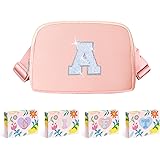
COSHAYSOO Initial Belt Bag Girls Fanny Pack Crossbody Purse Personalized Easter Basket Stuffers Birthday Gifts for Tween Preteen Girl 6-8 8-10 10-12 Pink Letter A
$4.99 (as of March 6, 2026 15:28 GMT +02:00 - More infoProduct prices and availability are accurate as of the date/time indicated and are subject to change. Any price and availability information displayed on [relevant Amazon Site(s), as applicable] at the time of purchase will apply to the purchase of this product.)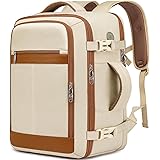
Travel Backpack for Women Airline Approved Carry On Backpack with Shoe Pouch,TSA 15.6inch Laptop Mochila Flight Approved Personal Item Bag for Weekender Overnight Bags Bookbag Travel Essentials,Beige
$19.99 (as of March 6, 2026 15:28 GMT +02:00 - More infoProduct prices and availability are accurate as of the date/time indicated and are subject to change. Any price and availability information displayed on [relevant Amazon Site(s), as applicable] at the time of purchase will apply to the purchase of this product.)
Pander Two Way Zipper Fanny Pack Nylon Everywhere Belt Bag for Women, Water Repellent Waist Packs, Crossbody Bags with Adjustable Strap (Black).
$11.99 (as of March 6, 2026 15:28 GMT +02:00 - More infoProduct prices and availability are accurate as of the date/time indicated and are subject to change. Any price and availability information displayed on [relevant Amazon Site(s), as applicable] at the time of purchase will apply to the purchase of this product.)
BAGSMART Gym Bag for Women, Duffle Bag for Travel with Wet Pocket, Lightweight Carry on Weekender Duffel, Water Resistant
$24.19 (as of March 6, 2026 15:28 GMT +02:00 - More infoProduct prices and availability are accurate as of the date/time indicated and are subject to change. Any price and availability information displayed on [relevant Amazon Site(s), as applicable] at the time of purchase will apply to the purchase of this product.)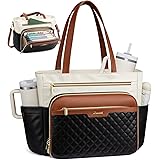
LOVEVOOK Teacher Tote Bag with Accordion File Pocket, Soft PU Leather Work Briefcase Quilted Laptop Bag with Large Cup Holder
$29.98 (as of March 6, 2026 15:28 GMT +02:00 - More infoProduct prices and availability are accurate as of the date/time indicated and are subject to change. Any price and availability information displayed on [relevant Amazon Site(s), as applicable] at the time of purchase will apply to the purchase of this product.)As an Amazon Associate, we earn from qualifying purchases.
14. FAQs for First-Timers
Here are answers to some of the most frequently asked questions from first-time visitors to London.
What is the best way to pay for public transport?
Use a contactless credit/debit card or your phone (Apple/Google Pay). Simply tap it on the yellow reader at the start and end of your Tube journey, or just at the start of a bus journey. This is the cheapest and easiest way, and it automatically applies the daily price cap.
Do I need to buy an Oyster Card?
Not anymore, unless you don’t have a contactless card. Contactless payment does exactly the same thing as a visitor Oyster card but without the need to buy and top up a physical card.
Is the London Pass worth it?
It can be, but only if you are very organized and plan to visit many of the expensive paid attractions it covers in a short period. Do the math first: list the attractions you want to see, add up their individual entry fees, and compare it to the cost of the pass. For many travelers, it is not cost-effective.
Is tap water safe to drink?
Yes, the tap water in London is perfectly safe and of high quality. Bring a reusable bottle and refill it to save money and reduce plastic waste.
What currency should I use?
The official currency is the Pound Sterling (£). While some large tourist shops might accept Euros or Dollars, you will get a very poor exchange rate. Use Pounds or pay by card.
How do I get from the airport to Central London?
This depends on the airport.
– Heathrow: The Piccadilly Line on the Tube is the cheapest. The Heathrow Express train to Paddington is the fastest but most expensive.
– Gatwick: The Gatwick Express train to Victoria is fastest. Cheaper Southern or Thameslink trains are also available.
– Stansted/Luton: National Express coaches or trains (Stansted Express/Thameslink) are the main options.
Is London safe at night?
Yes, central London is generally very safe at night. Stick to well-lit, busy areas and use the same common sense you would in any major city. The public transport system runs late, with the Night Tube operating on many lines on Fridays and Saturdays.
15. What’s Next? More Guides to Explore
Your first trip to London is often just the beginning. Once you’ve mastered the Tube and seen the major sights, you might be ready to explore more of the UK or even venture into mainland Europe. London is the perfect gateway!
- Explore the UK: Consider a day trip to Bath, Oxford, or the seaside town of Brighton. For a longer trip, check out our Scotland Travel Guide or Wales Travel Guide.
- Venture to Europe: London’s excellent rail and air connections make it easy to hop over to Paris, Amsterdam, or Dublin. Check out our Europe Travel Guide for more inspiration.
- Deep Dive into London: For a more local experience, explore our guides on London’s best hidden pubs, free museums, or the ultimate guide to the city’s street art scene.
No matter where your travels take you next, London will always hold a special place in your heart. Enjoy your unforgettable first trip!
🇪🇺 Western Europe Countries
- France Travel Guide
- Spain Travel Guide
- Portugal Travel Guide
- Netherlands Travel Guide
- Belgium Travel Guide
- Luxembourg Travel Guide
- Ireland Travel Guide
- England Travel Guide
🇪🇺 Southern Europe & Balkans Countries
- Italy Travel Guide
- Greece Travel Guide
- Croatia Travel Guide
- Montenegro Travel Guide
- Albania Travel Guide
- Malta Travel Guide
- Bosnia and Herzegovina Travel Guide
- Serbia Travel Guide
- North Macedonia Travel Guide
- Kosovo Travel Guide
🇪🇺 Northern Europe & Nordics Countries
- Sweden Travel Guide
- Norway Travel Guide
- Finland Travel Guide
- Denmark Travel Guide
- Iceland Travel Guide
- Scotland Travel Guide
🇪🇺 Central Europe Countries
- Germany Travel Guide
- Austria Travel Guide
- Switzerland Travel Guide
- Poland Travel Guide
- Czechia Travel Guide
- Hungary Travel Guide
- Slovakia Travel Guide
- Slovenia Travel Guide
🇪🇺 Eastern Europe & Baltics Countries
- Romania Travel Guide
- Bulgaria Travel Guide
- Ukraine Travel Guide
- Moldova Travel Guide
- Lithuania Travel Guide
- Latvia Travel Guide
- Estonia Travel Guide
- Belarus Travel Guide

