
Planning your first trip to England in 2026? Get ready for an adventure that blends centuries of history with vibrant modern culture! From the iconic landmarks of London to the serene beauty of the Lake District, England offers an unparalleled tapestry of experiences. This ultimate handbook is designed specifically for first-time visitors, providing you with essential tips, practical advice, and comprehensive insights to ensure your journey is smooth, memorable, and truly unforgettable.
We’ll cover everything from when to go and where to stay, to how much it costs and the best ways to get around. Get ready to unlock the magic of England!
Table of Contents
- 1. Why 2026 Is the Best Year to Visit England
- 2. Best Time to Travel by Season
- 3. Top Destinations for First-Time Visitors
- 4. Where to Stay: Budget to Luxury
- 5. First-Time in England: What You Need to Know
- 6. Solo Travel in England
- 7. Traveling England with Family or as a Senior
- 8. Digital Nomads in England
- 9. How Much Does a Trip to England Cost?
- 10. Getting Around: Trains, Flights, Cars
- 11. Must-Try Foods and Cultural Tips
- 12. Sample Itineraries in our England Travel Guide
- 13. Travel Tools, Resources & Safety
- 14. FAQs for First-Time Visitors
- 15. What’s Next? More Guides to Explore
1. Why 2026 Is the Best Year to Visit England
2026 presents a fantastic opportunity for your inaugural English adventure. The country’s tourism sector is buzzing with renewed energy, offering a warm welcome to visitors from across the globe. You’ll find a perfect blend of timeless traditions and exciting new developments.
England continues to charm with its rich history, from ancient castles to grand cathedrals. Yet, it also embraces modernity with vibrant cityscapes, innovative culinary scenes, and a thriving arts and music culture. This dynamic mix ensures there’s always something new to discover.
Moreover, the exchange rate can often make England a more appealing destination for international travelers. You can experience world-class attractions, enjoy delicious food, and find comfortable accommodation without necessarily breaking the bank. It’s about smart planning and knowing where to look!
Crucially for first-time visitors, the UK’s new Electronic Travel Authorisation (ETA) system is being rolled out. While it will eventually be required for many nationalities, its full implementation is phased. For 2026, it’s essential to check if your nationality requires an ETA, as this is a key pre-trip preparation. We’ll dive deeper into this in Section 5.
2. Best Time to Travel by Season
Choosing the right time to visit England can significantly impact your experience. While each season offers unique charms, some periods are generally more favorable for first-time visitors.
Spring (Late March to Early June)
- Pros: Pleasant weather, blooming landscapes, fewer crowds than summer, and often better prices. Days are lengthening, and outdoor activities become enjoyable. It’s perfect for exploring gardens and historic sites.
- Cons: Weather can be unpredictable, especially in early spring. Expect occasional rain showers, so layers are key.
- Regional Nuances:
- Southern England (London, Bath): Mild temperatures (10-18°C / 50-64°F), with a mix of sunshine and light rain.
- Northern England (Lake District): Cooler (5-15°C / 41-59°F), but the landscapes are incredibly fresh and green.
- Best For: Sightseeing, city breaks, enjoying nature, and experiencing local festivals like Easter celebrations.
Summer (June to August)
- Pros: Warmest weather, long daylight hours, and a vibrant atmosphere with numerous outdoor festivals and events. Ideal for enjoying parks, coastal towns, and outdoor dining.
- Cons: Peak tourist season means larger crowds, higher prices, and longer queues at popular attractions. Accommodation books up quickly.
- Regional Nuances:
- Southern England: Warm (18-25°C / 64-77°F), sometimes reaching higher temperatures during heatwaves.
- Northern England: Generally milder (15-22°C / 59-72°F), but still pleasant for outdoor activities.
- Best For: Beach holidays (along the coast), outdoor adventures, music festivals, and experiencing England’s lively summer culture.
Autumn (September to November)
- Pros: Milder temperatures, diminishing crowds, beautiful fall foliage, and often better value. The light can be stunning for photography.
- Cons: Days get shorter, and weather becomes cooler and wetter, especially towards late autumn. Some attractions might have reduced hours.
- Regional Nuances:
- Southern England: Pleasant (10-18°C / 50-64°F) in early autumn, cooling down to 5-10°C (41-50°F) by November.
- Northern England: Cooler (5-15°C / 41-59°F), with a higher chance of rain, but stunning autumnal colors.
- Best For: Cultural exploration, hiking (especially in national parks), cozy pub visits, and enjoying the festive atmosphere of events like Halloween and Bonfire Night.
Winter (December to February)
- Pros: Fewer tourists (excluding holiday periods), lower prices, festive Christmas markets, and a cozy atmosphere. The chance of snow adds a magical touch, especially in rural areas.
- Cons: Cold temperatures, shorter daylight hours, and some attractions might have reduced hours or be closed.
- Regional Nuances:
- Southern England: Mild (2-10°C / 36-50°F), often with rain.
- Northern England: Colder (0-5°C / 32-41°F), with a higher likelihood of frost and snow.
- Best For: Christmas markets, cozy city breaks, enjoying traditional pubs, and experiencing a different, quieter side of England.
Recommendation for First-Timers: For a balanced experience with good weather and manageable crowds, consider late spring (May-early June) or early autumn (September-October). These shoulder seasons offer the best of England without the intense summer crowds or winter chill.
3. Top Destinations for First-Time Visitors
For your first English adventure, it’s wise to choose destinations that offer a blend of iconic sights, ease of navigation, and a welcoming atmosphere. These places are popular for a reason – they provide an excellent introduction to England’s diverse cultures and landscapes.

- London: The Vibrant Capital. A bustling metropolis with world-class museums (British Museum, National Gallery), historic sites (Tower of London, Buckingham Palace), and vibrant neighborhoods. London is a fantastic starting point, with an excellent Tube system making getting around a breeze.
- Bath: Roman History & Georgian Elegance. Famous for its ancient Roman Baths and stunning Georgian architecture. This UNESCO World Heritage city offers a more relaxed pace than London, perfect for a day trip or a short stay.
- Oxford & Cambridge: Historic University Cities. Immerse yourself in academic charm. Explore ancient colleges, punt on the rivers, and soak in the intellectual atmosphere. Both are easily accessible from London and offer beautiful architecture and rich history.
- The Cotswolds: Quintessential English Countryside. A designated Area of Outstanding Natural Beauty, known for its rolling hills, picturesque villages with honey-colored stone cottages, and charming pubs. Ideal for scenic drives, gentle walks, and a taste of rural England.
- Lake District National Park: Dramatic Landscapes. England’s largest National Park, famous for its stunning mountains, glacial lakes, and literary connections (William Wordsworth, Beatrix Potter). Perfect for hiking, boating, and breathtaking scenery.
- Manchester & Liverpool: Northern Powerhouses. These vibrant northern cities offer rich industrial heritage, world-class music scenes, and passionate football culture. Liverpool is home to The Beatles Story, while Manchester boasts impressive Victorian architecture and a thriving arts scene.
- Cornwall: Coastal Beauty & Surfing. Located in the southwest, Cornwall boasts dramatic coastlines, sandy beaches, charming fishing villages, and a thriving surf scene. Explore places like St Ives, Padstow, and the Eden Project.

Tip: Consider combining a few of these destinations into a multi-stop itinerary. England’s compact size and excellent transport links make it easy to explore diverse regions within a single trip.
4. Where to Stay: Budget to Luxury
England offers a vast array of accommodation options to suit every budget and travel style. Understanding the different types will help you choose the best fit for your trip.

- Hostels:
- Best For: Budget travelers, solo travelers, and those looking to meet other people.
- What to Expect: Dormitory rooms (mixed or single-sex) with bunk beds, shared bathrooms, and common areas (kitchens, lounges). Many also offer private rooms.
- Pros: Cheapest option, great for socializing, often centrally located.
- Cons: Less privacy, potential for noise, shared facilities.
- Guesthouses/B&Bs:
- Best For: Travelers seeking privacy and basic amenities without breaking the bank, often with a more personal touch.
- What to Expect: Private rooms with en-suite or shared bathrooms. Often family-run, offering a traditional English breakfast.
- Pros: More privacy than hostels, often charming and locally authentic, good value.
- Cons: Fewer amenities than larger hotels, can still be basic.
- Mid-Range Hotels:
- Best For: Travelers looking for comfort, convenience, and a good balance of price and amenities.
- What to Expect: Private rooms with en-suite bathrooms, often include breakfast, Wi-Fi, and sometimes a gym or restaurant.
- Pros: Reliable quality, good service, comfortable.
- Cons: Can be less characterful than independent options.
- Luxury Hotels:
- Best For: Travelers prioritizing comfort, service, and high-end amenities.
- What to Expect: Spacious rooms, premium bedding, concierge service, fine dining restaurants, spas, pools, and often prime locations.
- Pros: Exceptional service, luxurious experience, all amenities at your fingertips.
- Cons: Very expensive.
- Apartments/Vacation Rentals (e.g., Airbnb):
- Best For: Families, groups, long-term travelers, or those who prefer a local experience and self-catering.
- What to Expect: Fully furnished apartments or houses, often with kitchens and living areas.
- Pros: More space, privacy, ability to cook your own meals (saving money), authentic local feel.
- Cons: Less service than hotels, check-in can be less flexible, potential for hidden fees.
Booking Tips:
- Book in Advance: Especially for peak season or popular destinations, booking 3-6 months ahead can secure better prices and availability.
- Read Reviews: Always check recent reviews on multiple platforms (Google, Booking.com, TripAdvisor) to get a balanced view.
- Location is Key: Prioritize accommodation near public transport hubs or within walking distance of major attractions to save time and money on commuting.
- Check Cancellation Policies: Opt for flexible cancellation policies, especially if your plans might change.
Looking for the best hotel or flight deals?
Plan your trip with ease using the Expedia search tool below. From charming boutique hotels to luxury resorts, this widget helps you compare top options in seconds — flights included!
5. First-Time in England: What You Need to Know
Navigating a new country can feel daunting, but a little preparation goes a long way. Here’s what every first-timer needs to know for a smooth English journey.
Visa & Entry Requirements (ETA Update for 2026)
- General Rule: Many nationalities (e.g., US, Canadian, Australian, EU citizens) can enter the UK for tourism for up to six months without a visa.
- Electronic Travel Authorisation (ETA): As of 2026, the UK is implementing its new ETA system. This is a digital permission to travel for those who don’t need a visa for short stays. It’s similar to the US ESTA or Canada’s eTA.
- Who needs it? The ETA is being phased in by nationality. As of early 2026, citizens of Qatar, Bahrain, Kuwait, Oman, Saudi Arabia, UAE, and Jordan require an ETA. More nationalities will be added throughout 2026.
- How to apply: Applications are made online via the UK government website. It costs £10 and is valid for two years, allowing multiple visits.
- Crucial for 2026: Always check the official UK government website (gov.uk) for the latest information on whether your nationality requires an ETA for your travel dates. Do this well in advance of your trip.
- Passport Validity: Ensure your passport is valid for the entire duration of your stay in the UK.
Currency & Money
- Pound Sterling (£): The currency in England (and the wider UK) is the Pound Sterling. This is distinct from the Euro used in much of mainland Europe.
- Credit/Debit Cards: Widely accepted everywhere, especially Visa and Mastercard. Inform your bank of your travel plans to avoid card freezes. Look for cards with no foreign transaction fees.
- ATMs (Cash Machines): Readily available. Withdraw cash from bank ATMs to avoid excessive fees.
- Carrying Cash: It’s wise to carry a small amount of local currency for small purchases, local markets, or places that don’t accept cards (e.g., some smaller pubs or independent shops).
- Tipping: Tipping customs vary. In restaurants, 10-15% is common for good service if a service charge isn’t already included. For pubs, rounding up your drink order or leaving a few pounds is appreciated but not expected. Taxi drivers often receive a small tip by rounding up the fare.
Language & Communication
- English: The official language. While you’ll understand most of what’s said, be prepared for a variety of regional accents!
- Basic Phrases: While English is primary, a polite “hello,” “please,” and “thank you” goes a long way. Learning a few local idioms can be fun!
- Translation Apps: Not strictly necessary for English speakers, but useful for understanding regional slang or historical terms.
Cultural Etiquette
- Queuing: The British love a good queue (line). Always wait your turn patiently. Cutting in line is a major faux pas.
- Politeness: “Please,” “thank you,” and “sorry” are used frequently. Politeness and understatement are highly valued.
- Pub Culture: Order drinks at the bar, not at your table. It’s common to buy rounds for your group.
- Personal Space: Generally, Brits maintain a bit more personal space than some other European cultures.
- Meal Times: Generally earlier than Southern Europe. Lunch is typically 12-2 PM, and dinner often starts around 6-8 PM.
Safety & Scams
- General Safety: England is generally safe for tourists. However, common sense precautions apply.
- Pickpocketing: Common in crowded tourist areas (e.g., Oxford Street, Tube stations), public transport, and major attractions. Be vigilant, keep valuables secure (e.g., money belt, cross-body bag), and avoid flashing expensive items.
- Scams: Be aware of common tourist scams (e.g., fake petitions, street gambling). Politely but firmly decline and walk away.
- Emergency Numbers: The universal emergency number in the UK is 999 for police, ambulance, and fire services.
Connectivity
- SIM Cards/eSIMs: Consider purchasing a local SIM card (e.g., EE, Vodafone, O2, Three) or an eSIM for affordable data and calls. This is often cheaper than international roaming.
- Wi-Fi: Widely available in hotels, cafes, restaurants, and public spaces.
Packing Essentials
- Universal Adapter: Essential for charging your electronics. England uses Type G plugs (three rectangular pins).
- Comfortable Walking Shoes: You’ll be doing a lot of walking on city streets and countryside paths!
- Layered Clothing: English weather can be famously unpredictable, so layers are key. A waterproof jacket or umbrella is a must.
- Reusable Water Bottle: Stay hydrated and reduce plastic waste. Tap water is safe to drink.
- Small First-Aid Kit: For minor cuts, headaches, etc.
- Copies of Documents: Keep digital and physical copies of your passport, ETA (if applicable), and travel insurance.
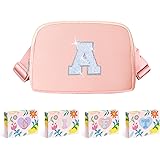
COSHAYSOO Initial Belt Bag Girls Fanny Pack Crossbody Purse Personalized Easter Basket Stuffers Birthday Gifts for Tween Preteen Girl 6-8 8-10 10-12 Pink Letter A
$4.99 (as of March 6, 2026 15:28 GMT +02:00 - More infoProduct prices and availability are accurate as of the date/time indicated and are subject to change. Any price and availability information displayed on [relevant Amazon Site(s), as applicable] at the time of purchase will apply to the purchase of this product.)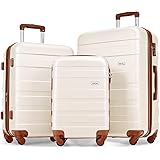
Luggage 3 Pcs ABS Hardside Luggage Sets Spinner Wheels Suitcases
$79.99 (as of March 6, 2026 15:28 GMT +02:00 - More infoProduct prices and availability are accurate as of the date/time indicated and are subject to change. Any price and availability information displayed on [relevant Amazon Site(s), as applicable] at the time of purchase will apply to the purchase of this product.)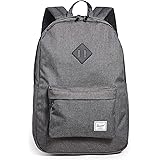
Herschel Heritage Backpack, Black Crosshatch/Black Rubber, Classic 21.5L
(as of March 6, 2026 15:28 GMT +02:00 - More infoProduct prices and availability are accurate as of the date/time indicated and are subject to change. Any price and availability information displayed on [relevant Amazon Site(s), as applicable] at the time of purchase will apply to the purchase of this product.)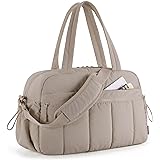
BAGSMART Gym Bag for Women, Duffle Bag for Travel with Wet Pocket, Lightweight Carry on Weekender Duffel, Water Resistant
$24.19 (as of March 6, 2026 15:28 GMT +02:00 - More infoProduct prices and availability are accurate as of the date/time indicated and are subject to change. Any price and availability information displayed on [relevant Amazon Site(s), as applicable] at the time of purchase will apply to the purchase of this product.)
COIDEA, Waterproof Travel Drawstring Shoe Bags for Packing, Storage, Travel Essentials for Men and Women, 15.7 x 11.8 inches, Clear, 5 pieces
$6.99 (as of March 6, 2026 15:28 GMT +02:00 - More infoProduct prices and availability are accurate as of the date/time indicated and are subject to change. Any price and availability information displayed on [relevant Amazon Site(s), as applicable] at the time of purchase will apply to the purchase of this product.)As an Amazon Associate, we earn from qualifying purchases.
6. Solo Travel in England
England is an incredibly rewarding destination for solo travelers, offering freedom, flexibility, and endless opportunities for self-discovery. Many English cities are safe and easy to navigate alone, with a welcoming culture.
- Safety First:
- Research Accommodation: Choose well-reviewed hostels or hotels in safe neighborhoods. Many hostels offer female-only dorms.
- Be Aware of Your Surroundings: Especially at night or in crowded areas. Trust your instincts.
- Share Your Itinerary: Let a friend or family member know your plans.
- Emergency Contacts: Keep local emergency numbers (999) and your embassy’s contact info handy.
- Meeting People:
- Hostels: Stay in hostels with good common areas and social events.
- Walking Tours: A great way to see a city and meet fellow travelers. Many cities offer free walking tours.
- Pub Culture: Engage in conversation at a local pub. It’s a great way to meet locals and fellow travelers.
- Apps: Use apps like Meetup or Couchsurfing (for events, not necessarily accommodation) to find local gatherings.
- Embrace Solitude: Enjoy the freedom of setting your own pace, lingering at a museum, or simply people-watching with a cup of tea.
- Budgeting for One: Be mindful of single supplements for tours or accommodation. Hostels and self-catering apartments can be more budget-friendly.
7. Traveling England with Family or as a Senior
England caters wonderfully to all ages, but specific considerations can enhance trips for families and senior travelers.
Traveling with Family
- Kid-Friendly Attractions: England offers numerous parks, interactive museums (e.g., Science Museum, Natural History Museum in London), and child-friendly activities (e.g., Harry Potter Studio Tour, Legoland Windsor).
- Accommodation: Apartments or hotels with family rooms/suites often provide more space and convenience. Consider places with kitchenettes to prepare some meals.
- Transportation: Trains are generally excellent for families, offering space to move around. Consider booking seats together. For younger children, factor in stroller accessibility on public transport. Take a loot at Trainline.
- Pacing: Don’t overschedule. Allow for downtime, playgrounds, and spontaneous exploration.
- Packing: Bring familiar snacks, comfort items, and any necessary medications.
Traveling as a Senior
- Accessibility: Research accessibility for attractions and public transport, especially if mobility is a concern. Many cities are improving infrastructure, but historic centers can have uneven surfaces.
- Pacing: Opt for a slower pace. Choose fewer destinations and spend more time in each to avoid rushing.
- Discounts: Many museums, attractions, and public transport systems offer senior discounts. Always ask!
- Medical Considerations: Carry all necessary medications in their original packaging. Consider travel insurance that covers pre-existing conditions.
- Comfort: Prioritize comfortable shoes and easy-to-access accommodation. Consider guided tours for convenience.
8. Digital Nomads in England
England, particularly London, has long been a hub for professionals and creatives. While it doesn’t have a specific “digital nomad visa” like some EU countries, its robust economy, excellent infrastructure, and vibrant cities make it an attractive option for remote workers on appropriate visas.
- Visa Considerations: For stays longer than six months, you’ll need a specific visa (e.g., a Skilled Worker visa if sponsored by a UK employer, or a Youth Mobility Scheme visa for certain nationalities). The standard tourist visa/ETA does not permit working.
- Best Cities for Nomads:
- London: A global hub with endless opportunities, co-working spaces, and a diverse community. High cost of living.
- Manchester: A growing tech scene, more affordable than London, vibrant culture, and good connectivity.
- Bristol: Known for its creative industries, independent spirit, and good quality of life.
- Brighton: A lively coastal city with a relaxed vibe, popular with creatives and digital professionals.
- Connectivity: England boasts excellent internet infrastructure, with widespread high-speed broadband and 5G mobile networks.
- Cost of Living: Varies significantly. London is one of the most expensive cities globally. Other cities like Manchester, Bristol, and Liverpool offer a more affordable lifestyle while still providing excellent amenities and opportunities.
- Co-working Spaces: Abundant in major cities, offering flexible memberships and networking opportunities.
- Community: Large expat and digital nomad communities, especially in London, making it easy to connect with like-minded individuals.
9. How Much Does a Trip to England Cost?
England can be as expensive or as affordable as you make it. London, in particular, is known for being one of the world’s priciest cities, but venturing outside the capital can significantly reduce your daily expenses. Here’s a breakdown of typical costs for 2026:
Accommodation (per person, per night)
- Budget (Hostels, Guesthouses): £30-£60 (outside London), £40-£80 (London)
- Mid-Range (3-star hotels, B&Bs): £70-£120 (outside London), £100-£200 (London)
- Luxury (4-5 star hotels): £150+ (outside London), £250+ (London)
Food (per person, per day)
- Budget (Supermarket, street food, casual pubs): £20-£40
- Mid-Range (Casual restaurants, pub meals): £40-£70
- High-End (Fine dining): £80+
Transportation (per day, average)
- Local Public Transport (cities): £8-£15 (e.g., Oyster card/contactless in London)
- Intercity Trains/Buses: Varies greatly depending on distance and booking in advance. A long-distance train ticket can range from £20-£100+. Take a look at Trainline.
Activities & Sightseeing (per day, average)
- Budget (Free museums, walking tours, parks): £0-£20
- Mid-Range (Paid attractions, day tours): £30-£70
- High-End (Special experiences, theatre tickets): £80+
Estimated Daily Budget (per person)
- Budget Traveler: £60-£100 (staying in hostels, cooking some meals, free activities)
- Mid-Range Traveler: £120-£200 (mid-range hotels, eating out, some paid attractions)
- Luxury Traveler: £300+ (luxury hotels, fine dining, extensive activities)
Money-Saving Tips:
- Free Attractions: Many of England’s best museums and galleries (e.g., British Museum, National Gallery, Tate Modern) offer free entry to their permanent collections.
- Pub Lunches: Often offer great value for money compared to dinner. Look for
Money-Saving Tips:
- Free Attractions: Many of England’s best museums and galleries (e.g., British Museum, National Gallery, Tate Modern) offer free entry to their permanent collections.
- Pub Lunches: Often offer great value for money compared to dinner. Look for ‘meal deals’ or ‘lunch specials’.
- Oyster Card/Contactless Payments in London: Use an Oyster card or a contactless debit/credit card for the cheapest fares on London’s public transport. Daily caps apply.
- Walk Everywhere: England’s cities are incredibly walkable. Save money and discover hidden gems by exploring on foot.
- Cook Your Own Meals: If staying in accommodation with kitchen facilities, buying groceries from supermarkets (Tesco, Sainsbury’s, Lidl, Aldi) can significantly cut down food costs.
- Book Trains in Advance: ‘Advance’ tickets for intercity trains are much cheaper than buying on the day.
- Consider a BritRail Pass: If you plan extensive train travel, a BritRail Pass might save you money, especially if bought outside the UK.
10. Getting Around: Trains, Flights, Cars
England boasts an extensive and generally efficient transportation network, making it easy to travel between cities and explore different regions.
Trains
- Pros: Fast, comfortable, scenic, and connect most major towns and cities. Ideal for intercity travel.
- Cons: Can be expensive if not booked in advance. Strikes can occasionally disrupt services.
- Booking: Book ‘Advance’ tickets as far ahead as possible (up to 12 weeks) for the best prices. Use National Rail Enquiries (nationalrail.co.uk) to plan journeys and find links to train operating companies.
- Popular Routes: London to Edinburgh, London to Manchester, London to Bath, London to Brighton.
Buses & Coaches
- Pros: Generally cheaper than trains, especially for longer distances. Good for reaching smaller towns not served by rail.
- Cons: Slower than trains, can be affected by traffic.
- Operators: National Express and Megabus are the main long-distance coach operators. Local buses serve towns and cities.
Driving
- Pros: Offers maximum flexibility, especially for exploring rural areas like the Cotswolds, Lake District, or Cornwall.
- Cons: Driving is on the left side of the road. Roads can be narrow, especially in the countryside. Parking can be expensive and difficult in cities. Fuel is costly.
- Rental: Major car rental companies are available at airports and city centers. Ensure you have an international driving permit if required by your home country.
- Congestion Charge: Be aware of London’s Congestion Charge and Ultra Low Emission Zone (ULEZ) if driving in the capital.
Flights (Domestic)
- Pros: Quickest way to cover long distances within the UK (e.g., London to Scotland).
- Cons: Can be expensive, and airport transfers add time and cost. Less environmentally friendly.
- Main Airports: London Heathrow (LHR), London Gatwick (LGW), Manchester (MAN), Birmingham (BHX), Edinburgh (EDI).
City Public Transport
- London: The Tube (Underground), buses, DLR, Overground, and National Rail services. Use an Oyster card or contactless payment for ease and best value.
- Other Cities: Most cities have good bus networks. Trams are available in some (e.g., Manchester, Nottingham).
11. Must-Try Foods and Cultural Tips
England’s culinary scene has evolved far beyond just fish and chips, though those are still delicious! Prepare your taste buds for a delightful journey, and keep these cultural nuances in mind.
Must-Try Foods
- Fish and Chips: A classic for a reason. Crispy battered fish with thick-cut chips, often served with mushy peas or curry sauce. Find the best at a local ‘chippy’.
- Full English Breakfast: A hearty start to the day with eggs, bacon, sausage, baked beans, toast, mushrooms, and sometimes black pudding.
- Sunday Roast: A traditional weekend meal featuring roasted meat (beef, lamb, chicken), roast potatoes, vegetables, Yorkshire pudding, and gravy. Best enjoyed in a cozy pub.
- Afternoon Tea: A delightful experience with sandwiches, scones with clotted cream and jam, and various pastries, all accompanied by a pot of tea.
- Pies: From savory (steak and ale, shepherd’s pie, cottage pie) to sweet (apple pie), pies are a staple.
- Scones: Best enjoyed with clotted cream and jam (cream first, then jam, if you’re in Devon; jam first, then cream, if you’re in Cornwall – a fun debate!).
- Curry: Thanks to its diverse population, England has an incredible curry scene, especially in cities like Birmingham and London.
- Real Ale: Explore the world of traditional British beers in a local pub.
Cultural Tips
- Pub Etiquette: Order at the bar. Don’t expect table service for drinks. It’s common to buy rounds for your group.
- Small Talk: The weather is always a safe topic for conversation.
- Humour: British humour can be dry, sarcastic, and self-deprecating. Don’t take it too seriously!
- Driving: Remember, they drive on the left! Look right, then left, then right again before crossing the road.
- Tipping: As mentioned, 10-15% in restaurants if service isn’t included. Tipping in pubs is not customary unless for exceptional service.
- Personal Space: Generally, Brits prefer a bit more personal space than some other cultures. Avoid overly loud conversations in public.
12. Sample Itineraries in our England Travel Guide
To help you visualize your trip, here are a few sample itineraries. Remember, these are just starting points – feel free to mix and match based on your interests and the time you have!
7-Day Classic England (First-Timers)
- Day 1-4: London. Arrive, explore major landmarks (Buckingham Palace, Tower of London, British Museum), enjoy a West End show, and soak in the city’s atmosphere.
- Day 5: Day Trip to Bath & Stonehenge. Take a train to Bath, explore the Roman Baths and Georgian architecture. Join a tour to Stonehenge.
- Day 6: Oxford or Cambridge. Choose one of these historic university cities for a day of exploring colleges and punting.
- Day 7: Departure.
10-Day England & Countryside Explorer
- Day 1-4: London. (As above)
- Day 5-6: Cotswolds. Rent a car or take a train to a base in the Cotswolds (e.g., Moreton-in-Marsh, Chipping Campden). Explore charming villages, enjoy walks, and traditional pubs.
- Day 7-8: Bath & Bristol. Travel to Bath, explore the city. Consider a day trip to vibrant Bristol.
- Day 9-10: Southern Coast (e.g., Brighton). Head to the coast for a different vibe. Explore Brighton’s pier, Lanes, and Royal Pavilion.
14-Day Grand England Adventure
- Day 1-5: London. (As above, with more in-depth exploration).
- Day 6-7: Bath & Stonehenge. (As above).
- Day 8-9: Cotswolds. (As above).
- Day 10-11: Lake District. Take a train north to the stunning Lake District. Enjoy hiking, boat trips, and picturesque villages.
- Day 12-13: Manchester or Liverpool. Explore the vibrant northern cities, their music heritage, and museums.
- Day 14: Departure from Manchester Airport (or return to London).
13. Travel Tools, Resources & Safety
Being prepared with the right tools and information can make your England trip even more enjoyable and stress-free.
Travel Tools
- Travel Insurance: Always travel with comprehensive travel insurance. It covers unexpected medical emergencies, trip cancellations, and lost luggage. We recommend World Nomads for their reliable coverage.
- Portable Charger: Keep your phone charged for navigation, photos, and emergencies.
- Offline Maps: Download Google Maps or Maps.me for offline use. This is invaluable when Wi-Fi isn’t available.
- VPN: A Virtual Private Network (VPN) protects your data on public Wi-Fi networks.
- Universal Adapter: As mentioned, Europe uses Type F plugs.
- Comfortable Walking Shoes: Essential for navigating hilly cities and cobblestone streets.

LOVEVOOK 40L Travel Backpack for Women, Airline Approved Carry On Luggage, TSA Personal Item Bag fits 15.6 Inch Laptop, Waterproof Weekender Overnight Suitcase for Work
$30.99 (as of March 6, 2026 15:28 GMT +02:00 - More infoProduct prices and availability are accurate as of the date/time indicated and are subject to change. Any price and availability information displayed on [relevant Amazon Site(s), as applicable] at the time of purchase will apply to the purchase of this product.)
YOOLIFE Easter Gifts for Kids Toddlers Girls - Sling Bag for Girl Kids | Birthday Gifts for 2 3 4 5 6 7 8 Year Old Girl, Easter Basket Stuffers, Crossbody Bags for Little Girls Toddler Purse (Pink A)
$15.99 (as of March 6, 2026 15:28 GMT +02:00 - More infoProduct prices and availability are accurate as of the date/time indicated and are subject to change. Any price and availability information displayed on [relevant Amazon Site(s), as applicable] at the time of purchase will apply to the purchase of this product.)
Herschel Settlement Quilted Backpack, Black, One Size
$90.00 (as of March 6, 2026 15:28 GMT +02:00 - More infoProduct prices and availability are accurate as of the date/time indicated and are subject to change. Any price and availability information displayed on [relevant Amazon Site(s), as applicable] at the time of purchase will apply to the purchase of this product.)
QLOVEA Easter Gifts for Kids Girls Toddlers, Initial Pink Sling Bag for Kid Girls | Small Initial Monogram Crossbody Bag Purse for Girl Kid Year Old Birthday Gifts, Easter Basket Stuffers (Pink A)
$17.99 (as of March 6, 2026 15:28 GMT +02:00 - More infoProduct prices and availability are accurate as of the date/time indicated and are subject to change. Any price and availability information displayed on [relevant Amazon Site(s), as applicable] at the time of purchase will apply to the purchase of this product.)
Luhxe Travel Convertible Carry On Garment Roller Bag 2.0 with Shoe Pouch & Detachable Shoulder Strap – Improved Zipper and reinforced straps - Charcoal
$178.99 (as of March 6, 2026 15:28 GMT +02:00 - More infoProduct prices and availability are accurate as of the date/time indicated and are subject to change. Any price and availability information displayed on [relevant Amazon Site(s), as applicable] at the time of purchase will apply to the purchase of this product.)As an Amazon Associate, we earn from qualifying purchases.
Travel Insurance
Never travel without it! Travel insurance is crucial for covering unexpected medical emergencies, trip cancellations, lost luggage, and other unforeseen circumstances. Ensure your policy covers all your planned activities.
Important Documents
- Passport (and ETA if required).
- Travel insurance policy details.
- Flight and accommodation confirmations.
- Driving license (if renting a car).
- Copies: Keep digital copies on your phone/cloud and physical copies separate from originals.
Staying Safe
- Be Aware: As in any major tourist destination, be mindful of pickpockets in crowded areas.
- Emergency Services: Dial 999 for police, ambulance, or fire.
- Embassy/Consulate: Know the location and contact details of your country’s embassy or consulate.
- Local Advice: Don’t hesitate to ask locals for advice or directions. Most Brits are friendly and happy to help.
14. FAQs for First-Time Visitors
Here are some common questions first-time visitors have about traveling to England:
- Do I need a visa for England?
- Many nationalities can enter visa-free for up to 6 months. However, check the official UK government website (gov.uk) for the latest on the new Electronic Travel Authorisation (ETA) requirement for your nationality in 2026.
- What currency is used in England?
- The Pound Sterling (£).
- Is England expensive to visit?
- It can be, especially London. However, with smart budgeting, utilizing free attractions, and eating wisely, it can be done affordably. Outside London, costs are generally lower.
- What’s the best way to get around England?
- Trains are excellent for intercity travel. Buses are cheaper but slower. Within cities, public transport (like London’s Tube) is efficient. Renting a car is best for exploring rural areas.
- What should I pack for England?
- Layers are key due to changeable weather. A waterproof jacket/umbrella, comfortable walking shoes, and a universal adapter (Type G) are essential.
- Is tap water safe to drink in England?
- Yes, tap water is safe and of high quality throughout England.
- What’s the tipping etiquette?
- 10-15% in restaurants if service isn’t included. Tipping in pubs is not customary unless for exceptional service.
- Do I need to speak English?
- Yes, English is the official language. While accents vary, you’ll find it easy to communicate.
15. What’s Next? More Guides to Explore
Your first trip to England is just the beginning of a lifelong love affair with this incredible country. Once you’ve explored the highlights, there’s so much more to discover, from the rugged beauty of the Scottish Highlands to the vibrant culture of Ireland, and the historical depths of Wales.
Happy travels, and enjoy your unforgettable journey through England!
🇪🇺 Western Europe Countries
- France Travel Guide
- Spain Travel Guide
- Portugal Travel Guide
- Netherlands Travel Guide
- Belgium Travel Guide
- Luxembourg Travel Guide
- Ireland Travel Guide
- England Travel Guide
🇪🇺 Southern Europe & Balkans Countries
- Italy Travel Guide
- Greece Travel Guide
- Croatia Travel Guide
- Montenegro Travel Guide
- Albania Travel Guide
- Malta Travel Guide
- Bosnia and Herzegovina Travel Guide
- Serbia Travel Guide
- North Macedonia Travel Guide
- Kosovo Travel Guide
🇪🇺 Northern Europe & Nordics Countries
- Sweden Travel Guide
- Norway Travel Guide
- Finland Travel Guide
- Denmark Travel Guide
- Iceland Travel Guide
- Scotland Travel Guide
🇪🇺 Central Europe Countries
- Germany Travel Guide
- Austria Travel Guide
- Switzerland Travel Guide
- Poland Travel Guide
- Czechia Travel Guide
- Hungary Travel Guide
- Slovakia Travel Guide
- Slovenia Travel Guide
🇪🇺 Eastern Europe & Baltics Countries
- Romania Travel Guide
- Bulgaria Travel Guide
- Ukraine Travel Guide
- Moldova Travel Guide
- Lithuania Travel Guide
- Latvia Travel Guide
- Estonia Travel Guide
- Belarus Travel Guide
🇲🇨 Microstates and Special Territories