

Planning your first adventure to Dublin? You’ve picked one of Europe’s most vibrant and captivating capitals! This ultimate guide is packed with everything you need to know to make your trip unforgettable. From exploring historic cobblestone streets to savoring the perfect pint of Guinness, we’ve got you covered.
Dublin, the heart of the Emerald Isle, offers a unique blend of ancient history, literary giants, breathtaking pubs, and a warmth of welcome that’s truly unmatched. It’s a city that captivates every traveler, whether you’re exploring medieval castles, walking in the footsteps of James Joyce, or simply enjoying the craic in a cozy pub.
Get ready to discover why Dublin is a must-visit European destination. Let’s dive into the essential tips that will help you plan, budget, and experience the very best of this amazing city.
Table of Contents
- 1. Why Visit Dublin?
- 2. Best Time to Visit Dublin
- 3. Top Destinations in Dublin for First-Timers
- 4. Planning Your Dublin Trip: A Step-by-Step Guide
- 5. Accommodation in Dublin: Where to Stay
- 6. Getting Around Dublin: Transportation Guide
- 7. How Much Does a Trip to Dublin Cost?
- 8. Must-Try Foods and Cultural Delights
- 9. Staying Safe in Dublin
- 10. Solo Travel in Dublin
- 11. Traveling Dublin with Family or as a Senior
- 12. Digital Nomads in Dublin
- 13. Essential Packing List in our Dublin Travel Guide
- 14. FAQs for First-Timers
- 15. What’s Next? More Guides to Explore
1. Why Visit Dublin?
Dublin is a city of captivating energy and endless charm. It stands out as a top choice for travelers seeking authentic cultural experiences, a rich history, and a legendary social scene. Its unique blend of ancient heritage and modern vibrancy makes it truly special.
The Allure of the Fair City
Imagine exploring a castle that has stood for 800 years, walking through the same library that inspired literary giants, or listening to traditional music sessions in a lively pub. Dublin offers all this and more. The city boasts a famously welcoming atmosphere, a burgeoning food scene, and a cultural heritage that will leave you enchanted.
From the historic grounds of Trinity College to the bustling, colorful streets of Temple Bar, Dublin promises a journey filled with unforgettable moments. It’s a place where every pint tells a story, and every conversation feels like catching up with an old friend.
2. Best Time to Visit Dublin
Choosing the right time to visit Dublin can significantly enhance your experience. The city is known for its changeable weather, but each season offers unique charms and considerations.
Spring (March-May): Blooming Beauty & Festive Spirit
- Weather: Mild and fresh, with temperatures from 8-15°C (46-59°F). Expect a mix of sunshine and classic Dublin showers.
- Crowds: Moderate. St. Patrick’s Day in March is a massive, crowded celebration, but April and May are less busy than summer.
- Pros: City parks are in bloom, and the atmosphere is vibrant. It’s a great time for walking tours before the peak season crowds arrive.
- Cons: The weather is unpredictable. St. Patrick’s week is very expensive.
Summer (June-August): Vibrant & Lively
- Weather: Warmest months, with temperatures averaging 15-20°C (59-68°F). Long daylight hours, with sunsets as late as 10 PM.
- Crowds: Peak tourist season. Expect large crowds at popular sites and higher prices for accommodation.
- Pros: Best weather for enjoying outdoor beer gardens, city festivals, and day trips. The city has a fantastic, energetic buzz.
- Cons: Can be crowded and is the most expensive time to visit. Book everything well in advance.
Autumn (September-October): Golden Hues & Cozy Pubs
- Weather: Mild and crisp, with temperatures from 10-15°C (50-59°F). Beautiful autumn colors in parks like St. Stephen’s Green.
- Crowds: Crowds begin to thin out, and prices become more reasonable.
- Pros: A lovely time for sightseeing with fewer people. The cozy pub atmosphere becomes even more appealing.
- Cons: Days get shorter, and rain becomes more frequent.
Winter (November-February): Festive & Cultural
- Weather: Cold, with temperatures from 2-8°C (36-46°F). Expect rain and short daylight hours.
- Crowds: Fewest tourists, making it a great time to explore museums and indoor attractions.
- Pros: Magical Christmas markets and festive lights. Lower prices for flights and accommodation. A more local, authentic feel.
- Cons: Cold and damp. Some attractions may have reduced hours.
3. Top Destinations in Dublin for First-Timers
Dublin is brimming with incredible places to explore. For your first trip, focus on these iconic destinations that offer a true taste of the city’s diverse appeal.
The Guinness Storehouse: A Taste of the Black Stuff
No trip to Dublin is complete without a visit to the home of Guinness. This seven-story interactive experience tells the story of Ireland’s most famous export. The highlight is the Gravity Bar on the top floor, where you can enjoy a complimentary pint with 360-degree panoramic views of the city.
Trinity College & the Book of Kells: A Literary Treasure
Step into a world of history and learning at Ireland’s oldest university. The main attraction is the Book of Kells, a stunningly ornate 9th-century manuscript. Afterward, be sure to walk through the breathtaking Long Room library, one of the most beautiful libraries in the world.
Temple Bar: The Cultural & Nightlife Hub
This famous riverside neighborhood is known for its lively atmosphere, colorful pubs, and cobblestone streets. While it can be touristy and expensive, it’s a must-see for its vibrant energy, live traditional music, and iconic photo opportunities. Explore its independent boutiques and art galleries during the day.
Dublin Castle: The Historic Heart of the City
For over 800 years, Dublin Castle was the center of English and British rule in Ireland. Today, you can take a guided tour of the State Apartments, explore the medieval undercroft, and visit the Chapel Royal. It offers a fascinating journey through Irish history.
Kilmainham Gaol: A Journey Through Irish History
This former prison is one of the most important historical sites in Ireland. Many leaders of Irish rebellions were imprisoned and executed here. A guided tour of Kilmainham Gaol is a powerful and moving experience that provides deep insight into Ireland’s struggle for independence.
St. Patrick’s & Christ Church Cathedrals: Architectural Marvels
Dublin is home to two magnificent cathedrals. St. Patrick’s Cathedral is the national cathedral of the Church of Ireland and the country’s largest. Nearby, Christ Church Cathedral, founded by Vikings, boasts a beautiful interior and a fascinating medieval crypt.
4. Planning Your Dublin Trip: A Step-by-Step Guide
Planning your first trip to Dublin is exciting! Its compact, walkable center and friendly atmosphere make it easy to plan. Breaking it down into steps makes the process even smoother.
Setting Your Budget & Travel Style
First, decide on your budget. Dublin is known for being one of Western Europe’s more expensive cities, particularly for accommodation and dining. Decide if you want a history-focused city break, a pub-culture immersion, or a mix of everything.
Crafting Your Itinerary
Don’t try to rush. For a 2-3 day trip, you can cover the main city-center highlights. With 4-5 days, you can explore more deeply and even take a day trip to nearby sites like Howth or the Wicklow Mountains. Group attractions by neighborhood to save travel time.
Booking Flights & Accommodation
Book flights to Dublin Airport (DUB) 3-6 months in advance for the best prices. Book accommodation well in advance, especially for summer and St. Patrick’s week, as popular places fill up quickly and prices soar.
Understanding Visa & Entry Requirements
For most nationalities (e.g., US, UK, EU, Canadian, Australian citizens), a visa is not required for tourist stays of up to 90 days. Always ensure your passport is valid for at least six months beyond your intended departure date.
Securing Travel Insurance
This is non-negotiable. Get comprehensive travel insurance that covers medical emergencies, trip cancellations, and lost luggage. It’s a small price for peace of mind in a busy city.
5. Accommodation in Dublin: Where to Stay
Dublin offers a wide range of accommodation, from budget-friendly hostels to luxurious five-star hotels. Choosing the right neighborhood is key to your experience.

Looking for the best hotel or flight deals?
Plan your trip with ease using the Expedia search tool below. From charming boutique hotels to luxury resorts, this widget helps you compare top options in seconds — flights included!
City Centre (South of the Liffey ): In the Heart of the Action
Staying near Grafton Street, St. Stephen’s Green, or Temple Bar puts you within walking distance of most major attractions, restaurants, and pubs. This area is convenient but can be noisy and expensive.
City Centre (North of the Liffey): Great Value & Connections
The area around O’Connell Street offers more budget-friendly hotel options and is a major transport hub, making it easy to get around the city and to/from the airport. It’s a bustling commercial district.
The Docklands: Modern & Sleek
This modern area is home to many tech companies and features new, stylish hotels. It’s a bit quieter at night but is well-connected to the city center by the Luas tram.
Portobello & Ballsbridge: Leafy & Upscale
For a quieter, more residential feel, consider these neighborhoods. Portobello has a trendy, village-like atmosphere with great cafes, while Ballsbridge is an affluent, leafy suburb with elegant hotels, a short bus or DART ride from the center.
Hostels: Social & Budget-Friendly
Dublin has an excellent hostel scene, concentrated around the city center. They are perfect for solo travelers and those on a tight budget, offering a mix of dorm beds and private rooms.
6. Getting Around Dublin: Transportation Guide
Dublin is a very walkable city, but its public transport system is essential for reaching attractions further afield and for getting to and from the airport.

Walking: The Best Way to Explore
- Pros: The majority of Dublin’s main attractions are concentrated in a compact city center. Walking is the best way to soak in the atmosphere, discover hidden laneways, and stumble upon charming pubs.
- Cons: Be prepared for “four seasons in one day” – a rain jacket is a must!
Dublin Bus: Extensive Network
- Pros: A comprehensive network of routes covers the entire city and its suburbs. The iconic double-decker buses are an experience in themselves.
- Cons: Can be slow due to city traffic. You need exact change (coins only ) if paying cash, or use a Leap Card.
Luas (Tram): Fast & Modern
- Pros: The Luas has two lines (Red and Green) that are great for crossing the city quickly. It’s modern, reliable, and connects key areas like the Docklands and train stations.
- Cons: The two lines do not directly intersect, requiring a short walk to transfer between them.
DART (Coastal Train): Scenic Views
- Pros: The DART runs along the beautiful coastline of Dublin Bay, perfect for day trips to charming seaside villages like Howth and Dalkey.
- Cons: Limited to the coastal route.
Leap Card: Your All-in-One Ticket
- Highly Recommended: The Leap Card is a reusable smartcard that can be used on Dublin Bus, Luas, DART, and commuter trains. It offers cheaper fares than paying with cash and has daily/weekly caps, so you never overpay. You can buy one at many convenience stores.
Taxis & Ride-Sharing
- Pros: Taxis are readily available. Ride-sharing apps like Free Now and Uber are also popular and convenient.
- Cons: The most expensive option, and can get stuck in traffic.
Looking for the best hotel or flight deals?
Plan your trip with ease using the Expedia search tool below. From charming boutique hotels to luxury resorts, this widget helps you compare top options in seconds — flights included!
7. How Much Does a Trip to Dublin Cost?
Dublin has a reputation for being an expensive city, and it’s largely true, especially for accommodation. However, with smart planning, you can enjoy the city on a reasonable budget.
Daily Cost Estimates (Per Person)
- Budget Traveler: €60-€100 / $66-110 USD per day
- Accommodation: Hostel dorms.
- Food: Supermarket meals, delis, one pub meal.
- Transport: Walking, using a Leap Card efficiently.
- Activities: Free museums, free walking tours.
- Mid-Range Traveler: €120-€220 / $132-242 USD per day
- Accommodation: Mid-range hotel, private hostel room, or Airbnb.
- Food: Mix of cafes, pub dinners, and casual restaurants.
- Transport: Leap Card, occasional taxi.
- Activities: Major paid attractions like Guinness Storehouse, some guided tours.
- Luxury Traveler: €250+ / $275+ USD per day
- Accommodation: Luxury or boutique hotels.
- Food: Fine dining, cocktail bars.
- Transport: Taxis, private transfers.
- Activities: Private tours, premium experiences.
Money-Saving Tips:
- Get a Leap Visitor Card: Offers unlimited travel over a set period (1, 3, or 7 days) and is great value if you plan to use public transport a lot.
- Eat a Big Lunch: Many pubs and restaurants offer lunch specials that are much cheaper than their dinner menus.
- Enjoy Free Museums: The National Museum of Ireland (all branches) and the National Gallery have free admission.
- Drink Before Temple Bar: Enjoy a few pints in less touristy pubs before heading to the pricier Temple Bar area for the music and atmosphere.
- Book Attractions Online: Many attractions, like the Guinness Storehouse, offer a discount for booking online in advance.
8. Must-Try Foods and Cultural Delights
Dublin’s culinary scene is booming, offering much more than just stew and potatoes. Prepare for hearty, comforting dishes and immerse yourself in the city’s world-famous cultural traditions.

Iconic Dublin Dishes
- Full Irish Breakfast: The ultimate cure-all. A massive plate of bacon, sausages, eggs, black and white pudding, beans, and toast.
- Irish Stew: A comforting classic, traditionally made with lamb or mutton, potatoes, carrots, and onions. Perfect for a rainy Dublin day.
- Coddle: A unique Dublin stew made with pork sausages, bacon, potatoes, and onions. A true local’s dish.
- Fish and Chips: Find a traditional “chipper” like Leo Burdock for some of the best fish and chips in the city.
- Oysters and Guinness: A classic pairing. The salty brine of the oysters perfectly complements the creamy bitterness of the stout.
The Pub Culture: The Heart of Dublin
The Dublin pub is an institution. It’s a place for socializing, storytelling, and, most importantly, “the craic” (a mix of fun, entertainment, and conversation ). Don’t expect table service for drinks; order at the bar. It’s common to buy rounds if you’re in a group.
Traditional Irish Music (“Trad”)
Seek out a “trad session” for an authentic cultural experience. Pubs like The Cobblestone in Smithfield are famous for their nightly sessions where musicians gather to play traditional tunes. It’s a highlight of any trip to Dublin.
9. Staying Safe in Dublin
Dublin is a generally safe city for tourists, but like any major capital, it’s essential to be aware of your surroundings and take common-sense precautions, especially in crowded areas.
General Safety Tips
- Petty Crime: The most common issue is pickpocketing. Be extra vigilant in tourist hotspots like Temple Bar, Grafton Street, O’Connell Street, and on public transport.
- Secure Your Belongings: Keep bags zipped and in front of you. Don’t leave your phone or wallet on a table in a pub or cafe.
- At Night: Stick to well-lit, busy streets after dark. While Temple Bar is lively, be aware that its high concentration of pubs can lead to rowdy behavior late at night.
- Trust Your Gut: If a situation or area feels uncomfortable, simply walk away.
Emergency Numbers
- The universal emergency number in Ireland is 112 (or 999). This will connect you to police, ambulance, and fire services.
10. Solo Travel in Dublin
Dublin is a fantastic destination for solo travelers. Its compact size, friendly locals, and vibrant social scene make it easy and enjoyable to explore on your own.
- Safety: Dublin is safe for solo travelers, but standard precautions apply. Be aware of your surroundings, especially at night.
- Meeting People:
- Hostels: The best way to meet fellow travelers. Many have common rooms and organize pub crawls or tours.
- Free Walking Tours: A great way to get oriented, learn about the city, and chat with others in your group.
- Pubs: Don’t be afraid to sit at the bar. Dubliners are famously chatty, and you might find yourself in a great conversation.
- Join a Day Tour: Take a group tour to the Cliffs of Moher or Wicklow to share the experience with others.
- Embrace Solitude: Enjoy the freedom of exploring museums at your own pace, lingering in a bookshop, or finding a quiet corner in St. Stephen’s Green.
11. Traveling Dublin with Family or as a Senior
Dublin is a welcoming city for all ages, with plenty of activities for families and accessible options for seniors.
Traveling with Family
- Kid-Friendly Attractions: Visit the Dublinia museum to learn about Vikings, explore Phoenix Park (and spot the wild deer), or check out the Natural History Museum (the “Dead Zoo”).
- Accommodation: Self-catering apartments can be great for families, offering more space and kitchen facilities.
- Pacing: Don’t overschedule. Dublin’s parks are perfect for letting kids run around and burn off energy.
Traveling as a Senior
- Accessibility: The city center is mostly flat and walkable. The Luas tram is very accessible. Many museums and galleries have elevators and accessible facilities.
- Pacing: Opt for a slower pace. Consider the Hop-On-Hop-Off bus tour to see the main sights without too much walking.
- Discounts: Many attractions and public transport options offer senior discounts. Always ask!
- Comfort: Prioritize comfortable shoes for cobblestone streets. Enjoy a relaxing afternoon tea for a classic Dublin experience.
12. Digital Nomads in Dublin
Dublin is a major European tech hub, making it an attractive, albeit expensive, destination for digital nomads.
- Visa Considerations: Ireland does not have a specific Digital Nomad Visa. Non-EU citizens must adhere to tourist visa rules (typically 90 days). Working for an Irish company requires a work permit.
- Connectivity: As a tech capital, Dublin boasts excellent, high-speed internet. Wi-Fi is ubiquitous in cafes, and there are numerous co-working spaces.
- Cost of Living: This is the biggest challenge. Dublin is one of Europe’s most expensive cities, with very high rent and living costs.
- Community: There is a large, international expat and tech community, making it easy to network and socialize.
- Co-working Spaces: Numerous options are available, from large chains like WeWork to smaller, independent hubs.
13. Essential Packing List in our Dublin Travel Guide
Packing for Dublin means preparing for changeable weather. Layers and waterproof gear are non-negotiable, no matter the season.
Clothing
- Waterproof Jacket with a Hood: The single most important item you can pack. Rain can appear at any moment.
- Layers: T-shirts, long-sleeved tops, and a fleece or wool sweater are crucial for adapting to temperature changes.
- Comfortable Walking Shoes: You will be walking a lot on cobblestones and city streets. Waterproof shoes are a huge plus.
- A Scarf: Great for windy days and for layering.
- Slightly Dressier Outfit: Dubliners are stylish. Pack something smart-casual for a nice dinner or a night out.
Essentials & Accessories
- Universal Travel Adapter: Ireland uses the Type G plug (the three-pronged UK-style plug).
- Portable Power Bank: Essential for keeping your phone charged while navigating and taking photos.
- Reusable Water Bottle: Dublin’s tap water is safe to drink.
- Daypack: A small backpack is perfect for carrying your layers, water bottle, and any souvenirs.
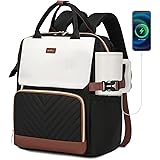
VANKANY Bookbag for Women Laptop Backpack, Teacher Nurse Work Computer Bags with Cup Holder & USB Charger for Travel, School Bag College Back Pack for Girls, BlackWhiteBrown
$24.75 (as of March 6, 2026 15:28 GMT +02:00 - More infoProduct prices and availability are accurate as of the date/time indicated and are subject to change. Any price and availability information displayed on [relevant Amazon Site(s), as applicable] at the time of purchase will apply to the purchase of this product.)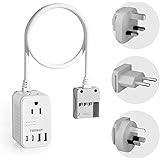
TESSAN 220 to 110 Voltage Converter US to Europe, International Travel Power Adapter with 4 USB Ports(2 USB C), 2 AC and EU/UK/AU Plug Universal Power Converter Adapter Combo, Step Down Transformer
$34.19 (as of March 6, 2026 15:28 GMT +02:00 - More infoProduct prices and availability are accurate as of the date/time indicated and are subject to change. Any price and availability information displayed on [relevant Amazon Site(s), as applicable] at the time of purchase will apply to the purchase of this product.)
COSHAYSOO Easter Basket Stuffers Birthday Gifts for 6 7 8 9 10 11 12 Year Old Girls Purple Purse Fanny Pack Initial Crossbody Belt Bag 6-8 8-10 10-12 8-12 Tween Preteen Teen Girl Girly Stuff Letter A
$7.99 (as of March 6, 2026 15:28 GMT +02:00 - More infoProduct prices and availability are accurate as of the date/time indicated and are subject to change. Any price and availability information displayed on [relevant Amazon Site(s), as applicable] at the time of purchase will apply to the purchase of this product.)
TOPEAST Easter Basket Stuffers Gifts for Kids Girls - Initial Makeup Bag, Birthday Gifts for 4 5 6 7 8 9 10 11 12 Year Old Teen Girls, Personalized Preppy Cosmetic Bags Toiletry Bag (Pink A)
$9.99 (as of March 6, 2026 15:28 GMT +02:00 - More infoProduct prices and availability are accurate as of the date/time indicated and are subject to change. Any price and availability information displayed on [relevant Amazon Site(s), as applicable] at the time of purchase will apply to the purchase of this product.)
Bagstellar Corduroy Tote Bag for Women, 17 Pockets Laptop Work Tote Bag Lightweight Teacher Nurse Bible Bag for School Travel | with 40oz Cup Holder, Multi Compartment, Zipper Crossbody Bag, College Shoulder Bag, Daily Purse w/ Strap, Ideal Gift for Women
$35.99 (as of March 6, 2026 15:28 GMT +02:00 - More infoProduct prices and availability are accurate as of the date/time indicated and are subject to change. Any price and availability information displayed on [relevant Amazon Site(s), as applicable] at the time of purchase will apply to the purchase of this product.)As an Amazon Associate, we earn from qualifying purchases.
14. FAQs for First-Timers
Here are answers to some of the most common questions first-time visitors have about Dublin.
Is Dublin expensive?
Yes, Dublin is considered one of the more expensive cities in Western Europe, especially for accommodation. However, you can save money by eating at pubs, visiting free museums, and using a Leap Card for transport.
What is the currency in Dublin?
The currency is the Euro (€).
Is English spoken in Dublin?
Yes, English is the primary language spoken in Dublin, though you will see signs in both Irish (Gaelic) and English.
How many days do I need in Dublin?
A minimum of 3 full days is recommended to see the main highlights without rushing. 4-5 days will allow you to explore more deeply and take a day trip.
Is tipping expected in Dublin?
In restaurants, a tip of 10-15% is customary for good service if a service charge is not already included. Tipping for drinks at a pub bar is not expected.
Is Dublin a walkable city?
Absolutely. The city center is compact, and most major tourist attractions are within walking distance of each other.
15. What’s Next? More Guides to Explore
Now that you have the essential tips for your first trip to Dublin, you’re ready for an incredible adventure! This guide is just the beginning. The city’s charm lies in its hidden corners, friendly faces, and the stories you’ll gather along the way.
Whether you’re exploring ancient history, enjoying the literary scene, or simply having the craic in a traditional pub, Dublin will leave you with memories to last a lifetime. Sláinte!
🇪🇺 Western Europe Countries
- France Travel Guide
- Spain Travel Guide
- Portugal Travel Guide
- Netherlands Travel Guide
- Belgium Travel Guide
- Luxembourg Travel Guide
- Ireland Travel Guide
- England Travel Guide
🇪🇺 Southern Europe & Balkans Countries
- Italy Travel Guide
- Greece Travel Guide
- Croatia Travel Guide
- Montenegro Travel Guide
- Albania Travel Guide
- Malta Travel Guide
- Bosnia and Herzegovina Travel Guide
- Serbia Travel Guide
- North Macedonia Travel Guide
- Kosovo Travel Guide
🇪🇺 Northern Europe & Nordics Countries
- Sweden Travel Guide
- Norway Travel Guide
- Finland Travel Guide
- Denmark Travel Guide
- Iceland Travel Guide
- Scotland Travel Guide
🇪🇺 Central Europe Countries
- Germany Travel Guide
- Austria Travel Guide
- Switzerland Travel Guide
- Poland Travel Guide
- Czechia Travel Guide
- Hungary Travel Guide
- Slovakia Travel Guide
- Slovenia Travel Guide
🇪🇺 Eastern Europe & Baltics Countries
- Romania Travel Guide
- Bulgaria Travel Guide
- Ukraine Travel Guide
- Moldova Travel Guide
- Lithuania Travel Guide
- Latvia Travel Guide
- Estonia Travel Guide
- Belarus Travel Guide

