

Planning your first adventure to Bosnia and Herzegovina? You’ve picked a destination with a soul-stirring blend of history, breathtaking nature, and profound resilience. This ultimate guide is packed with everything you need to know to make your trip unforgettable. From exploring the historic streets of Sarajevo to witnessing the iconic bridge of Mostar and discovering emerald rivers, we’ve got you covered.
Bosnia and Herzegovina, the heart-shaped land where East meets West, offers an unparalleled mix of Ottoman and Austro-Hungarian architecture, stunning mountain landscapes, and a warmth of welcome that’s truly moving. It’s a country that captivates every traveler, whether you’re wandering through bustling bazaars, rafting on the Neretva River, or simply savoring a rich Bosnian coffee.
Get ready to discover why Bosnia and Herzegovina is one of Europe’s most authentic, affordable, and rewarding travel destinations. Let’s dive into the essential tips that will help you plan, budget, and experience the very best of this amazing country.
Table of Contents
- 1. Why Visit Bosnia and Herzegovina?
- 2. Best Time to Visit Bosnia and Herzegovina
- 3. Top Destinations in Bosnia and Herzegovina for First-Timers
- 4. Planning Your Bosnia and Herzegovina Trip: A Step-by-Step Guide
- 5. Accommodation in Bosnia and Herzegovina: Where to Stay
- 6. Getting Around Bosnia and Herzegovina: Transportation Guide
- 7. How Much Does a Trip to Bosnia and Herzegovina Cost?
- 8. Must-Try Foods and Cultural Delights
- 9. Staying Safe in Bosnia and Herzegovina
- 10. Solo Travel in Bosnia and Herzegovina
- 11. Traveling Bosnia and Herzegovina with Family or as a Senior
- 12. Digital Nomads in Bosnia and Herzegovina
- 13. Essential Packing List in our Bosnia and Herzegovina Travel Guide
- 14. FAQs for First-Timers
- 15. What’s Next? More Guides to Explore
1. Why Visit Bosnia and Herzegovina?
Bosnia and Herzegovina is a land of captivating beauty and profound history. It continues to be a top choice for travelers seeking authentic experiences, stunning scenery, and incredible value. Its unique blend of cultural heritage and breathtaking nature makes it truly special.
The Allure of the Heart-Shaped Land
Imagine wandering through Sarajevo’s Baščaršija bazaar, where centuries of history echo in the cobblestone streets, gazing at the iconic Stari Most in Mostar as divers leap into the turquoise river below, or hiking to a secluded waterfall. Bosnia and Herzegovina offers all this and more. The country boasts a welcoming atmosphere, delicious and hearty cuisine, and a rich cultural tapestry that will leave you enchanted.
From the vibrant capital to the tranquil beauty of its rivers and mountains, Bosnia and Herzegovina promises a journey filled with unforgettable moments. It’s a place where every corner tells a story, and every interaction is genuine.
ETIAS Update
Good news for travelers! The European Travel Information and Authorization System (ETIAS) is still not required for U.S. and other visa-exempt travelers visiting the Schengen Area. Its implementation has been postponed to mid-2026. While Bosnia and Herzegovina is not in the Schengen Area, this is relevant if you are entering the region via a neighboring Schengen country like Croatia. Entry to Bosnia and Herzegovina itself remains straightforward for most nationalities.
Looking for the best hotel or flight deals?
Plan your trip with ease using the Expedia search tool below. From charming boutique hotels to luxury resorts, this widget helps you compare top options in seconds — flights included!
2. Best Time to Visit Bosnia and Herzegovina
Choosing the right time to visit Bosnia and Herzegovina can significantly enhance your experience. The country has a continental climate with four distinct seasons, each offering unique charms.
Spring (April-May): Blooming Landscapes & Pleasant Weather
- Weather: Mild and pleasant, with temperatures ranging from 15-22°C (59-72°F). Expect sunshine and green, blooming landscapes.
- Crowds: Fewer crowds than summer, making it ideal for exploring popular sites.
- Pros: Perfect weather for city sightseeing and outdoor activities like hiking. Nature is at its most vibrant.
- Cons: Weather can be unpredictable with occasional spring showers.
Summer (June-August): Sunny Days & Lively Atmosphere
- Weather: The warmest and sunniest months, with temperatures averaging 25-35°C (77-95°F).
- Crowds: Peak tourist season, especially in Mostar and Sarajevo.
- Pros: Best weather for river activities like rafting, swimming in waterfalls, and enjoying outdoor cafes. Long daylight hours.
- Cons: Can be very hot, especially in Herzegovina. Book accommodation and tours in advance.
Autumn (September-October): Golden Hues & Comfortable Temperatures
- Weather: Mild and pleasant, with temperatures from 18-25°C (64-77°F) in early autumn, cooling down by October.
- Crowds: Crowds begin to thin out, offering a more relaxed experience.
- Pros: Ideal for hiking and sightseeing amidst stunning autumn foliage. The weather is comfortable, and prices may be lower.
- Cons: Days get shorter, and it can become rainy and cooler, especially in late October.
Winter (November-March): Snowy Charm & Olympic Slopes
- Weather: Cold, with temperatures often below freezing, from -5 to 5°C (23-41°F). Snow is common, especially in the mountains.
- Crowds: Fewest tourists, making it a very budget-friendly time.
- Pros: Excellent for skiing and snowboarding on the Olympic mountains near Sarajevo (Jahorina, Bjelašnica). Cities have a magical, quiet atmosphere.
- Cons: Very short daylight hours. Can be very cold and foggy.
Recommendation for First-Timers: For the perfect balance of great weather and manageable crowds, consider late spring (May-June) or early autumn (September). These shoulder seasons offer the best of Bosnia and Herzegovina.
Worried about landing with no signal? Get an Airalo eSIM for your trip — trusted by 20M+ travelers with coverage in 200+ destinations, often cheaper than roaming.
3. Top Destinations in Bosnia and Herzegovina for First-Timers
Bosnia and Herzegovina is brimming with incredible places to explore. For your first trip, focus on these iconic destinations that offer a true taste of the country’s diverse appeal.
Sarajevo: The Resilient Capital
Sarajevo is an absolute must-visit. It’s a city where Ottoman, Austro-Hungarian, and modern history collide. Explore the historic Baščaršija (Old Bazaar), see the Latin Bridge where WWI was sparked, and learn about the city’s recent past at the War Childhood Museum or the Tunnel of Hope. The city’s spirit is infectious.
Mostar: The Fairytale Town
Famous for the stunning Stari Most (Old Bridge), a UNESCO World Heritage site that arches gracefully over the turquoise Neretva River. Wander through the cobbled streets of the old town, watch the traditional bridge divers, and soak in the magical atmosphere. It’s one of the most picturesque towns in the Balkans.
Kravica Waterfall: A Natural Oasis
Often called a “mini Niagara,” Kravica is a breathtaking series of waterfalls cascading into a natural, emerald-green lake. In the summer, it’s a popular spot for swimming, picnicking, and relaxing in nature. It’s an easy day trip from Mostar.
Blagaj Tekke (Dervish House)
A stunning sight, this 600-year-old Dervish monastery is built into the side of a cliff, next to the source of the Buna River. The combination of natural beauty and serene architecture makes it a truly mystical place. Enjoy fresh trout at one of the riverside restaurants.
Počitelj: A Historic Stone Village
This fortified medieval village, another UNESCO site, seems to tumble down a hillside towards the Neretva River. Climb its fortress for panoramic views, wander its quiet stone lanes, and feel like you’ve stepped back in time. It’s a photographer’s dream.
Jajce: The Royal City of Waterfalls
Located in central Bosnia, Jajce is unique for the spectacular Pliva Waterfall right in the heart of the town. Explore the hilltop fortress, the ancient catacombs, and the nearby Pliva Lakes with their charming historic watermills.
4. Planning Your Bosnia and Herzegovina Trip: A Step-by-Step Guide
Planning your first trip to Bosnia and Herzegovina is an exciting process. Breaking it down into manageable steps makes it a breeze. Follow this guide to stay organized.
Setting Your Budget & Travel Style
Before anything else, decide on your budget. Bosnia and Herzegovina is one of the most affordable destinations in Europe, offering incredible value. Your budget will influence your choices for accommodation and dining. Consider if you prefer a history-focused city break or an outdoor adventure trip.
Crafting Your Itinerary
Don’t try to see everything in one go. For a first trip of 4-5 days, you could focus on Sarajevo and Mostar, with a day trip to Blagaj and Počitelj. With a week to 10 days, you could add destinations like Jajce, Travnik, or some hiking in the mountains.
Booking Flights & Accommodation
Book your international flights 3-6 months in advance for the best prices. The main airport is Sarajevo International Airport (SJJ). You can also fly into Tuzla (TZL) or nearby airports like Dubrovnik (DBV) or Split (SPU) in Croatia and take a bus. Accommodation should be secured in advance, especially for summer.
Understanding Visa & Entry Requirements
For most nationalities (e.g., US, Canadian, Australian, EU citizens), a visa is not required for tourist stays up to 90 days within a 180-day period. Ensure your passport is valid for at least three months beyond your intended departure date.
Securing Travel Insurance
Never travel without comprehensive travel insurance. It protects you from unexpected events like trip cancellations, medical emergencies, or lost luggage. It’s a small investment for peace of mind, especially if you plan on adventure activities like rafting or hiking.
5. Accommodation in Bosnia and Herzegovina: Where to Stay
Bosnia and Herzegovina offers a fantastic range of accommodation, known for its hospitality and excellent value. You’ll find everything from historic guesthouses to modern hotels.

Hotels: Modern Comforts & Great Value
You’ll find modern, comfortable hotels in major cities like Sarajevo and Mostar, often at a fraction of the price of other European capitals. Many offer excellent amenities and central locations.
Guesthouses & Pansions: The Heart of Bosnian Hospitality
For a truly authentic experience, stay in a family-run guesthouse (“pansion”). This is where Bosnian hospitality shines. Hosts are often incredibly welcoming, offering homemade breakfast, local tips, and sometimes even a glass of homemade rakija. This is the best way to experience the local culture.
Hostels: Social & Extremely Budget-Friendly
The country has a growing hostel scene, especially in Sarajevo and Mostar. They are ideal for solo travelers and those on a tight budget, offering a mix of dorm beds and private rooms. They are great places to meet other travelers and join affordable local tours.
Apartments & Vacation Rentals
Platforms like Airbnb and Booking.com offer a wide range of apartments. This is a great option for families, groups, or those who want the flexibility of a kitchen. You can find beautifully renovated apartments in historic buildings for a very reasonable price.
6. Getting Around Bosnia and Herzegovina: Transportation Guide
Navigating Bosnia and Herzegovina is part of the adventure, with scenic drives and journeys connecting its beautiful cities and towns. Your choice will depend on your itinerary and budget.

Buses: The Most Extensive Network
- Pros: The most common and practical way to travel between cities and towns. The bus network is extensive, connecting all major destinations like Sarajevo, Mostar, Banja Luka, and Jajce. It’s affordable and reliable.
- Cons: Can be slower on winding roads. Quality of buses can vary.
- Booking: Buy tickets at the bus station (“autobuska stanica”) just before departure. For popular routes in summer, buying a day in advance is a good idea.
Trains: Scenic but Limited
- Pros: The train journey between Sarajevo and Mostar is considered one of the most beautiful in Europe, winding through dramatic mountain gorges and along the Neretva River. It’s comfortable and very affordable.
- Cons: The train network is very limited. Apart from the Sarajevo-Mostar line, it’s not a practical option for most other routes.
- Booking: Buy tickets at the train station (“željeznička stanica”).
Driving (Car Rental): Flexibility for Deep Exploration
- Pros: Offers the most flexibility to explore off-the-beaten-path destinations, remote villages, and natural parks at your own pace. Roads between major cities are generally in good condition.
- Cons: Driving in cities can be challenging with narrow streets and limited parking. Some rural roads can be poorly maintained. Be aware of your insurance coverage.
- Tips: An International Driving Permit (IDP) is recommended. Be prepared for scenic but winding mountain roads.
City Public Transport (Sarajevo)
- Sarajevo: Has an extensive network of trams, buses, and trolleybuses. The tram system is one of the oldest in Europe and a great way to get around the city center.
- Tickets: Buy tickets at kiosks (“trafika”) and validate them in the machine upon boarding to avoid fines.
Want to save on train tickets? Search routes and compare prices on Omio — and check for available discounts or referral credit when you book (offers can vary by location/account).
7. How Much Does a Trip to Bosnia and Herzegovina Cost?
Bosnia and Herzegovina is one of the most budget-friendly destinations in Europe. Your money goes a long way here, allowing for high-quality experiences without the high price tag.
Daily Cost Estimates (Per Person)
- Budget Traveler: €25-€40 / $28-45 USD per day
- Accommodation: Hostel dorms.
- Food: Meals from bakeries (“pekara”), street food (ćevapi, burek), cooking some meals.
- Transport: Public transport, walking, intercity buses.
- Activities: Free walking tours, exploring old towns.
- Mid-Range Traveler: €50-€90 / $55-100 USD per day
- Accommodation: Private guesthouse rooms, well-located apartments.
- Food: Eating out at casual restaurants (“restoran”) and traditional eateries (“aščinica”).
- Transport: Intercity buses and trains, occasional taxis, day tours.
- Activities: Paid museum entries, guided tours.
- Luxury Traveler: €100+ / $110+ USD per day
- Accommodation: Boutique hotels, high-end apartments.
- Food: Fine dining, multi-course meals with local wine.
- Transport: Private transfers, rental car.
- Activities: Private guided tours, adventure activities like rafting.
Cost Breakdown (General Estimates)
- Accommodation:
- Hostel Dorm: €10-€15 per night
- Private Guesthouse Room: €25-€50 per night
- Mid-Range Hotel/Apartment: €40-€80 per night
- Food:
- Burek/Pita from a pekara: €1-€2
- Ćevapi (full portion): €3-€5
- Casual Restaurant Meal: €7-€15 per meal
- Bosnian Coffee: €1-€1.50
- Transportation:
- Bus (Sarajevo to Mostar): ~€10-€12
- Train (Sarajevo to Mostar): ~€6
- Sarajevo Tram Ticket: ~€0.80
- Activities & Sightseeing:
- Museum Entry: €3-€7
- Mostar Bridge Diving Fee (to watch): Voluntary donation
- Guided Day Tour: €25-€40
Money-Saving Tips:
- Eat at Pekaras and Aščinicas: Bakeries (pekara) and traditional canteens (aščinica) offer delicious, filling, and incredibly cheap local food.
- Drink Tap Water: The tap water is safe and of excellent quality throughout the country.
- Use Public Transport: Buses and trams are very affordable for getting around.
- Enjoy the Free Sights: Wandering the old towns of Sarajevo and Mostar, people-watching, and enjoying the natural scenery costs nothing.
8. Must-Try Foods and Cultural Delights
Bosnian cuisine is a hearty, flavorful blend of Ottoman, Mediterranean, and Central European influences. Prepare for a feast of grilled meats, savory pastries, and slow-cooked stews.

Iconic Bosnian Dishes
- Ćevapi: The undisputed national dish. These are small, hand-rolled minced meat sausages, grilled and served in a flatbread (somun) with chopped onions and a creamy cheese called kajmak.
- Burek (and other Pitas): A savory pastry made of flaky phyllo dough, rolled into a spiral and filled with various ingredients. “Burek” is specifically with meat, while other fillings have different names: “sirnica” (cheese), “zeljanica” (spinach), and “krompiruša” (potato).
- Begova Čorba (Bey’s Soup): A rich, creamy chicken and okra soup, often served as a starter.
- Bosanski Lonac (Bosnian Pot): A hearty, slow-cooked meat and vegetable stew, traditionally cooked for hours in a ceramic pot.
- Dolma: A variety of vegetables like peppers, onions, or zucchini stuffed with minced meat and rice.
- Tufahija: A traditional dessert of a whole apple poached in sugar water, stuffed with walnuts, and topped with whipped cream.
The Coffee Culture (Bosanska Kafa)
Bosnian coffee is more than a drink; it’s a ritual. Similar to Turkish coffee, it’s prepared in a special copper pot called a “džezva” and served in small cups called “fildžani,” often with a sugar cube and a piece of rahat lokum (Turkish delight). It’s meant to be sipped slowly while enjoying conversation.
Cultural Etiquette & Local Customs
- Hospitality: Bosnians are incredibly warm, hospitable, and generous. It’s common to be offered coffee or a drink when visiting someone’s home.
- Greetings: A simple “Dobar dan” (good day) is a polite greeting.
- Respectful Conversation: While people are often open to discussing the past, it’s a sensitive topic. Approach conversations about the war with respect and let locals lead the discussion.
- Tipping: Tipping is not obligatory but is becoming more common in tourist areas. Rounding up the bill or leaving 10% for excellent service is a nice gesture.
9. Staying Safe in Bosnia and Herzegovina
Bosnia and Herzegovina is a very safe country for tourists. Violent crime is rare, and the general atmosphere is welcoming. The main safety considerations are related to petty crime and being aware of the country’s past.
General Safety Tips
- Petty Crime: As in any tourist destination, be aware of your belongings. Pickpocketing can occur in crowded areas of Sarajevo and Mostar. Keep your valuables secure.
- Landmines: This is a serious concern but is highly unlikely to affect tourists. Mines are located in remote, rural, and abandoned areas far from tourist paths. Never wander off marked roads or paths into forests or abandoned buildings in rural areas. Stick to established trails when hiking.
- Scams: Scams are not common, but use common sense. Be wary of overly friendly strangers inviting you to a bar, and agree on taxi fares beforehand if the meter isn’t used.
Emergency Numbers
- Police: 122
- Ambulance: 124
- Fire Department: 123
10. Solo Travel in Bosnia and Herzegovina
Bosnia and Herzegovina is a fantastic and safe destination for solo travelers. Its affordability, welcoming locals, and excellent hostel network make it easy and rewarding to explore alone.
- Safety First:
- The country is very safe, but as a solo traveler, always maintain awareness of your surroundings.
- Inform someone of your travel plans, especially if you are heading into the mountains for a hike.
- Meeting People:
- Hostels: The best way to meet fellow travelers. Many hostels in Sarajevo and Mostar are highly social and organize excellent day tours.
- Free Walking Tours: A great way to get oriented and meet people on your first day in a new city.
- Local Cafes: The slow-paced coffee culture provides plenty of opportunities to strike up a conversation.
- Embrace the Experience: Solo travel in Bosnia allows for deep, personal reflection on its history and culture. The warmth of the people ensures you’ll never feel truly alone unless you want to.
11. Traveling Bosnia and Herzegovina with Family or as a Senior
With its diverse attractions and welcoming nature, Bosnia and Herzegovina is a great destination for families and seniors who are open to an authentic travel experience.
Traveling with Family
- Engaging History: The stories of castles, medieval towns, and bazaars can be fascinating for older children.
- Outdoor Fun: Kids will love swimming at Kravica Waterfall or taking a boat ride on the Buna River. The Olympic mountains near Sarajevo offer space to run around.
- Accommodation: Renting an apartment is ideal for families, providing space and kitchen facilities.
- Pacing: Travel between cities can be long and winding. Plan for shorter travel days and build in downtime.
Traveling as a Senior
- Accessibility: Be aware that old towns in Sarajevo and Mostar have cobblestone streets, which can be uneven and challenging for those with mobility issues. Many older buildings lack elevators.
- Pacing: A slower pace is ideal. Consider a guided tour that handles transportation logistics, which can make the trip much more relaxing.
- Comfort: Prioritize comfortable shoes. The country’s cafe culture is perfect for taking frequent, relaxing breaks.
- Rich Culture: For seniors interested in history, culture, and authentic experiences, Bosnia offers a depth that is hard to match.
12. Digital Nomads in Bosnia and Herzegovina
Bosnia and Herzegovina is a rising star on the digital nomad map, offering an incredibly low cost of living, fast internet, a welcoming atmosphere, and a recently introduced digital nomad visa.
- Digital Nomad Visa: Bosnia and Herzegovina has launched a digital nomad visa, allowing remote workers to stay for up to one year, with the possibility of renewal. Applicants must prove remote income from a foreign source. Always check official government websites for the latest requirements.
- Best Cities for Nomads:
- Sarajevo: The main hub. It has a vibrant international community, a growing number of co-working spaces (like Tershouse), and countless cafes to work from. It’s historic, walkable, and surrounded by nature.
- Mostar: A smaller, more seasonal option, but beautiful and very affordable. Better for a shorter-term stay.
- Connectivity: Internet is generally fast, reliable, and cheap, especially in urban areas.
- Cost of Living: This is the main draw. It’s one of the cheapest places in Europe to live well, allowing nomads to save significant money while enjoying a high quality of life.
- Lifestyle: Offers a great work-life balance with easy access to hiking, skiing, and a rich cultural scene.
Looking for a smarter way to manage your travel money? Wise offers real exchange rates with no hidden fees, making it the perfect companion for international trips.
13. Essential Packing List in our Bosnia and Herzegovina Travel Guide
Packing for Bosnia and Herzegovina means preparing for historic cities, mountain landscapes, and four distinct seasons. Versatility and comfort are key.
Clothing
- Layers: T-shirts, long-sleeved tops, and a fleece or sweater are crucial for adapting to changing temperatures, especially in the mountains.
- Comfortable Walking Shoes: This is the most important item. You will be walking a lot on uneven cobblestone streets.
- Rain Jacket: A lightweight, waterproof jacket is useful year-round for unexpected showers.
- Modest Clothing: If you plan to visit mosques or churches, bring something to cover your shoulders and knees (a scarf is very useful for women).
- Swimwear: For visiting waterfalls like Kravica or rivers in the summer.
- Warm Gear (for winter): A proper winter coat, thermal layers, a hat, gloves, and a scarf are essential for a winter trip.
Essentials & Accessories
- Universal Travel Adapter: Bosnia and Herzegovina uses the Type F plug (two round pins), common throughout Europe.
- Portable Power Bank: For charging devices on the go.
- Reusable Water Bottle: To stay hydrated with the country’s excellent tap water.
- Daypack: Essential for carrying layers, water, and snacks on daily excursions.
- Sun Protection: Sun hat, sunglasses, and sunscreen for the summer months.
- Copies of Important Documents: Keep digital and physical copies of your passport and travel insurance.
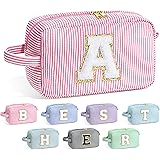
YOOLIFE Initial Makeup Bag Cosmetic Bag Toiletry Pouch, Personalized Birthday Gifts for Women Girls Mom Daughter Sister Friends, Pink A
$13.99 (as of March 6, 2026 15:28 GMT +02:00 - More infoProduct prices and availability are accurate as of the date/time indicated and are subject to change. Any price and availability information displayed on [relevant Amazon Site(s), as applicable] at the time of purchase will apply to the purchase of this product.)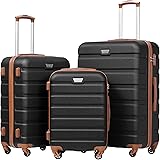
Coolife Luggage 3 Piece Set Suitcase Spinner Hardshell Lightweight TSA Lock
$129.99 (as of March 6, 2026 15:28 GMT +02:00 - More infoProduct prices and availability are accurate as of the date/time indicated and are subject to change. Any price and availability information displayed on [relevant Amazon Site(s), as applicable] at the time of purchase will apply to the purchase of this product.)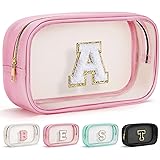
YOOLIFE Easter Basket Stuffers for Kids Initial Clear Makeup Bag Make Up Bags Travel Toiletry Bags Preppy Cosmetic Bag Organizer Travel Essentials Girlfriend Teacher Mom Birthday Gifts Pink A
$15.99 (as of March 6, 2026 15:28 GMT +02:00 - More infoProduct prices and availability are accurate as of the date/time indicated and are subject to change. Any price and availability information displayed on [relevant Amazon Site(s), as applicable] at the time of purchase will apply to the purchase of this product.)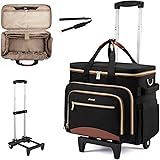
LOVEVOOK Rolling Teacher Bag with Detachable Dolly and Laptop Compartment, Large Rolling Tote Bag fits for 17.3" Laptop for Teacher Office Work Craft Nurse, Black-brown
$59.99 (as of March 6, 2026 15:28 GMT +02:00 - More infoProduct prices and availability are accurate as of the date/time indicated and are subject to change. Any price and availability information displayed on [relevant Amazon Site(s), as applicable] at the time of purchase will apply to the purchase of this product.)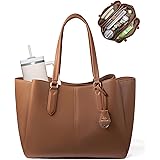
LOVEVOOK Laptop Tote Bag for Women 15.6 In Work Bags with Triple Compartments Large Faux Leather Computer Office Briefcase
$29.99 (as of March 6, 2026 15:28 GMT +02:00 - More infoProduct prices and availability are accurate as of the date/time indicated and are subject to change. Any price and availability information displayed on [relevant Amazon Site(s), as applicable] at the time of purchase will apply to the purchase of this product.)As an Amazon Associate, we earn from qualifying purchases.
14. FAQs for First-Timers
Here are some frequently asked questions to help ease any remaining concerns about your first trip to Bosnia and Herzegovina.
What currency does Bosnia and Herzegovina use?
The official currency is the Bosnian Convertible Mark (BAM or KM). While some tourist places in Mostar might accept Croatian Kuna or Euros, you should always plan to pay in the local currency (BAM) for the best rates. ATMs are widely available.
Is English widely spoken?
In tourist centers like Sarajevo and Mostar, English is widely spoken, especially by younger people and those in the tourism industry. In more rural areas, it’s less common, but people are generally very friendly and willing to help.
Is Bosnia and Herzegovina expensive?
No, it is one of the most affordable travel destinations in Europe. Accommodation, food, and transport offer exceptional value for money.
Do I need a visa for Bosnia and Herzegovina?
For most nationalities (e.g., US, UK, EU, Canadian, Australian), a visa is not required for tourist stays of up to 90 days.
What is the best way to get around?
Buses are the most practical way to travel between cities. The train from Sarajevo to Mostar is a must-do for its scenic beauty. Within cities, walking is often best, with trams being very useful in Sarajevo.
Is it safe to visit?
Yes, Bosnia and Herzegovina is very safe for tourists. Use standard precautions against petty theft in crowded areas and stick to marked paths and roads in rural areas to avoid any risk from old landmines.
What is the food like?
The food is hearty, delicious, and meat-heavy. Must-try dishes include ćevapi (grilled minced meat), burek (savory pastry), and various stews. The coffee culture is also a highlight.
15. What’s Next? More Guides to Explore
Your Bosnian adventure awaits! We hope this comprehensive guide has equipped you with all the essential information to plan an unforgettable trip to this captivating country. From the historic heart of Sarajevo to the stunning bridge of Mostar and the warmth of its people, Bosnia and Herzegovina promises a journey filled with profound history, natural beauty, and lasting memories.
Happy travels, and enjoy your unforgettable journey through Bosnia and Herzegovina!
🇪🇺 Western Europe Countries
- France Travel Guide
- Spain Travel Guide
- Portugal Travel Guide
- Netherlands Travel Guide
- Belgium Travel Guide
- Luxembourg Travel Guide
- Ireland Travel Guide
- England Travel Guide
🇪🇺 Southern Europe & Balkans Countries
- Italy Travel Guide
- Greece Travel Guide
- Croatia Travel Guide
- Montenegro Travel Guide
- Albania Travel Guide
- Malta Travel Guide
- Bosnia and Herzegovina Travel Guide
- Serbia Travel Guide
- North Macedonia Travel Guide
- Kosovo Travel Guide
🇪🇺 Northern Europe & Nordics Countries
- Sweden Travel Guide
- Norway Travel Guide
- Finland Travel Guide
- Denmark Travel Guide
- Iceland Travel Guide
- Scotland Travel Guide
🇪🇺 Central Europe Countries
- Germany Travel Guide
- Austria Travel Guide
- Switzerland Travel Guide
- Poland Travel Guide
- Czechia Travel Guide
- Hungary Travel Guide
- Slovakia Travel Guide
- Slovenia Travel Guide
🇪🇺 Eastern Europe & Baltics Countries
- Romania Travel Guide
- Bulgaria Travel Guide
- Ukraine Travel Guide
- Moldova Travel Guide
- Lithuania Travel Guide
- Latvia Travel Guide
- Estonia Travel Guide
- Belarus Travel Guide

