

Planning your first adventure to Austria? You’ve picked an absolutely enchanting destination! This ultimate guide is packed with everything you need to know to make your trip unforgettable. From exploring imperial palaces that whisper tales of emperors and empresses to hiking through breathtaking Alpine landscapes, we’ve got you covered.
Austria, nestled in the heart of Europe, offers an unparalleled blend of rich history, vibrant cultural traditions, stunning natural beauty, and a warmth of welcome that’s truly unmatched. It’s a country that captivates every traveler, whether you’re waltzing through the streets of Vienna, skiing in the Tyrolean Alps, or simply savoring delicious pastries in a cozy café.
Get ready to discover why Austria is consistently one of Europe’s most beloved travel destinations. Let’s dive into the essential tips that will help you plan, budget, and experience the very best of this amazing country.
Table of Contents
- 1. Why Visit Austria?
- 2. Best Time to Visit Austria
- 3. Top Destinations in Austria for First-Timers
- 4. Planning Your Austria Trip: A Step-by-Step Guide
- 5. Accommodation in Austria: Where to Stay
- 6. Getting Around Austria: Transportation Guide
- 7. How Much Does a Trip to Austria Cost?
- 8. Must-Try Foods and Cultural Delights
- 9. Staying Safe in Austria
- 10. Solo Travel in Austria
- 11. Traveling Austria with Family or as a Senior
- 12. Digital Nomads in Austria
- 13. Essential Packing List in our Austria Travel Guide
- 14. FAQs for First-Timers
- 15. What’s Next? More Guides to Explore
1. Why Visit Austria?
Austria is a land of captivating beauty and endless charm. It continues to be a top choice for travelers seeking authentic experiences, stunning scenery, and a deep dive into history. Its unique blend of imperial heritage, alpine landscapes, and vibrant cultural cities makes it truly special.
The Allure of the Alpine Republic
Imagine exploring grand palaces that once housed emperors, strolling through charming medieval towns, or skiing down pristine slopes in the Alps. Austria offers all this and more. The country boasts a welcoming atmosphere, delicious traditional cuisine, and a rich cultural heritage that will leave you enchanted.
From the classical elegance of Vienna to the picturesque beauty of Salzburg and the dramatic peaks of Tyrol, Austria promises a journey filled with unforgettable moments. It’s a place where every mountain view feels like a masterpiece, and every concert is a celebration of timeless artistry.
Looking for the best hotel or flight deals?
Plan your trip with ease using the Expedia search tool below. From charming boutique hotels to luxury resorts, this widget helps you compare top options in seconds — flights included!
2. Best Time to Visit Austria
Choosing the right time to visit Austria can significantly enhance your experience. The country enjoys a temperate climate, but each period offers unique charms and considerations.
Spring (April-May): Blooming Beauty & Mild Weather
- Weather: Mild and pleasant, with temperatures ranging from 10-20°C (50-68°F). Expect sunshine and occasional rain showers.
- Crowds: Fewer crowds than summer, especially in April.
- Pros: Landscapes are green and vibrant, wildflowers are in bloom, and cities are less busy. Perfect for sightseeing and light hiking. Easter celebrations are significant.
- Cons: Higher alpine regions may still have snow, and some hiking trails might not be fully open.
Summer (June-August): Sun, Lakes & Lively Atmosphere
- Weather: Warmest months, with temperatures averaging 20-30°C (68-86°F), often higher in cities. Long daylight hours.
- Crowds: Peak tourist season, meaning larger crowds at popular sites and cities, and higher prices for accommodation and flights.
- Pros: Best weather for hiking, swimming in lakes, and exploring cities. Vibrant festivals and outdoor events.
- Cons: Can be very hot in cities, which can make extensive sightseeing uncomfortable. Booking well in advance is essential.
Autumn (September-October): Golden Hues & Pleasant Warmth
- Weather: Mild and pleasant, with temperatures from 10-20°C (50-68°F) in early autumn, cooling down by October.
- Crowds: Crowds begin to thin out, especially after mid-September. Prices become more reasonable.
- Pros: Ideal for hiking, enjoying wine harvests, and exploring cities without the intense summer heat. Beautiful fall foliage for photography.
- Cons: Days get shorter, and some mountain services might start to wind down by late October.
Winter (November-March): Snowy Wonderland & Cultural Focus
- Weather: Cold, with temperatures often below freezing, especially in mountainous regions. Snow is common.
- Crowds: Fewer tourists outside of ski resorts and Christmas markets. Lower prices for flights and accommodation in cities.
- Pros: Excellent for skiing and snowboarding. Charming Christmas markets in December. Ideal for city breaks and cultural immersion in Vienna or Salzburg.
- Cons: Many outdoor attractions may be closed or less accessible. Shorter daylight hours.
Recommendation for First-Timers: For a balanced experience with great weather and manageable crowds, consider late spring (May) or early autumn (September-early October). These shoulder seasons offer the best of Austria without the intense summer heat or winter cold, unless skiing is your primary goal.
Make Your Travel Moments Go Viral — Instantly
Your next viral Reel and Tiktok is just a Flipstik away. Film hands-free on buses, beaches, or balconies—anywhere your phone can stick.
🎯 Click here and gear up like a creator!3. Top Destinations in Austria for First-Timers
Austria is brimming with incredible places to explore. For your first trip, focus on these iconic destinations that offer a true taste of the country’s diverse appeal.
Vienna: The Imperial Capital
Vienna is an absolute must-visit. It’s a city steeped in imperial history, classical music, and vibrant modern life. Explore iconic sites like Schönbrunn Palace, Hofburg Palace, St. Stephen’s Cathedral, and the Belvedere Museum. Dive into the lively Naschmarkt for culinary delights and explore the Museum Quarter.
The city’s elegance is infectious, blending grand architecture with cozy coffee houses and world-class opera. Vienna is highly walkable, and its public transport system is efficient, making it easy to explore its diverse areas.
Salzburg: Mozart’s Birthplace & Alpine Charm
The quintessential Austrian city, famous for being the birthplace of Mozart and the setting for
the “Sound of Music.” Explore the Hohensalzburg Fortress, Mozart’s Birthplace, and stroll through the charming Old Town (Altstadt), a UNESCO World Heritage site.
Salzburg offers a magical blend of baroque architecture, stunning mountain backdrops, and a rich musical heritage. It’s a city that feels like stepping into a fairytale, perfect for cultural enthusiasts and romantics.
Innsbruck: Alpine Capital & Winter Sports Hub
Nestled in the heart of the Alps, Innsbruck is a paradise for outdoor enthusiasts. Famous for hosting the Winter Olympics twice, it offers world-class skiing and snowboarding in winter, and incredible hiking and mountain biking in summer.
Beyond sports, explore the charming Old Town with its Golden Roof (Goldenes Dachl), the Imperial Palace, and enjoy panoramic views from the Nordkette cable car. Innsbruck is a vibrant city that perfectly blends urban life with alpine adventure.
Hallstatt: Picturesque Lakeside Village
Often called the “pearl of Austria,” Hallstatt is a stunning village located on the shores of Lake Hallstatt, surrounded by dramatic mountains. It’s a UNESCO World Heritage site, famous for its charming houses, salt mine, and breathtaking scenery.
While popular and can be crowded, its beauty is undeniable. Enjoy boat rides on the lake, visit the Beinhaus (Bone House), and simply soak in the idyllic atmosphere. It’s a must-see for its sheer picturesque quality.
Graz: Culinary Delights & Modern Architecture
Austria’s second-largest city, Graz, is a vibrant university town known for its beautiful Old Town (another UNESCO site), modern architecture, and excellent culinary scene. Explore the Schlossberg (Castle Hill) for panoramic views, visit the futuristic Kunsthaus (Art House), and wander through its charming streets.
Graz offers a more relaxed and authentic Austrian experience compared to Vienna, with a youthful energy and a strong focus on food and design.
Tyrol Region: Hiking, Skiing & Traditional Culture
The entire region of Tyrol, with its capital Innsbruck, is a dream for nature lovers and adventure seekers. From the majestic peaks of the Zillertal Alps to the serene valleys and traditional villages, Tyrol embodies the quintessential Austrian alpine experience.
It’s ideal for multi-day hiking trips, exploring charming mountain huts, and experiencing authentic Tyrolean hospitality. In winter, it transforms into a world-renowned ski destination.
4. Planning Your Austria Trip: A Step-by-Step Guide
Planning your first trip to Austria can feel exciting, and breaking it down into manageable steps makes it a breeze. Follow this guide to stay organized and stress-free.
Setting Your Budget & Travel Style
Before anything else, decide on your budget. Austria can be explored on a shoestring or with luxurious flair. Your budget will influence your choices for accommodation, transport, and activities. Consider if you prefer a fast-paced city exploration or a more relaxed, immersive experience in the countryside.
Crafting Your Itinerary
Don’t try to see everything in one go. Austria, though geographically compact, is packed with attractions and diverse regions. For a first trip, focus on 2-3 regions (e.g., Vienna + Salzburg + a part of Tyrol). Allow at least 2-3 full days per major city or region. Prioritize what truly interests you, whether it’s imperial history, classical music, or alpine adventures.
Booking Flights & Accommodation
Book your international flights 3-6 months in advance for the best prices, especially if traveling during peak season (summer or winter ski season). Accommodation should be secured around the same time, particularly in popular areas like Vienna, Salzburg, and major ski resorts. Consider flexible cancellation policies.
Understanding Visa & Entry Requirements
For most nationalities (e.g., US, Canadian, Australian, EU citizens), a visa is not required for tourist stays up to 90 days within the Schengen Area. Ensure your passport is valid for at least six months beyond your intended departure date. Austria is part of the Schengen Area, so standard Schengen rules apply.
Securing Travel Insurance
Never travel without comprehensive travel insurance. It protects you from unexpected events like trip cancellations, medical emergencies, lost luggage, and more. It’s a small investment for peace of mind and highly recommended for any international travel.
5. Accommodation in Austria: Where to Stay
Austria offers a vast array of accommodation options to suit every budget and travel style. Whether you prefer a cozy hostel, a charming guesthouse, or a luxurious resort, you’ll find the perfect place to rest after a day of exploration.

Hotels: From Boutique to Grand
You’ll find everything from chic boutique hotels in city centers and charming guesthouses in the countryside to grand historic hotels. Hotels offer convenience, amenities, and often excellent service. Prices vary widely based on location, star rating, and season. In cities like Vienna, historic hotels offer a unique imperial experience.
Hostels: Social & Budget-Friendly
Austria has a thriving hostel scene, particularly in cities like Vienna, Salzburg, and Innsbruck. They are ideal for solo travelers and those on a budget, offering dormitory beds and often private rooms. Hostels are great places to meet other travelers and often organize social events or walking tours.
Guesthouses & B&Bs (Gasthäuser): Authentic Austrian Welcome
For a truly authentic Austrian experience, stay in a traditional guesthouse or a Bed & Breakfast (often called “Gasthäuser” or “Pensionen”). These often family-run establishments offer a warm welcome, personalized service, and a delicious homemade breakfast. They provide a more intimate glimpse into local life, especially in rural and alpine regions.
Self-Catering & Vacation Rentals (Ferienwohnungen)
Platforms like Airbnb are popular for longer stays, families, or groups. Self-catering options (known as “Ferienwohnungen” or “Appartements”) provide more space, a kitchen for preparing meals (saving money), and a chance to live like a local. This is particularly appealing for those planning to explore rural areas or stay in a ski resort for an extended period.
Unique Stays: Alpine Huts & Farm Stays
For a memorable experience, consider staying in a traditional alpine hut (Hütte) during a hiking trip, or a farm stay (Urlaub am Bauernhof) for an authentic rural experience. These unique accommodations offer a special touch to your Austrian adventure, though they often require booking in advance, especially huts during peak hiking season.
6. Getting Around Austria: Transportation Guide
Navigating Austria is part of the adventure! The country offers various efficient transportation options, each with its pros and cons. Your choice will depend on your itinerary, budget, and comfort level.

Trains (ÖBB): Efficient & Scenic
- Pros: Austria has an excellent, extensive, and punctual train network (ÖBB – Österreichische Bundesbahnen). It’s a comfortable and scenic way to travel between major cities (Vienna, Salzburg, Innsbruck, Graz) and even into smaller towns. Many routes offer breathtaking views of the Alps.
- Cons: Can be more expensive than buses if not booked in advance. Less flexible for exploring very remote areas.
- Booking: Book tickets in advance, especially for popular routes and during peak season, to get better prices. Check for special offers like the Sparschiene tickets.
Buses: Affordable & Comprehensive
- Pros: A good option for shorter distances, connecting towns not served by train, and often more affordable. Long-distance buses (e.g., FlixBus) connect major cities within Austria and to neighboring countries.
- Cons: Can be slower than trains. Less comfortable for very long journeys.
- Booking: Tickets can often be bought directly from the driver or online.
Rental Cars: Freedom & Flexibility
- Pros: Offers the most flexibility, especially if you plan to explore rural areas, small villages, or scenic routes in the Alps. Essential for visiting places off the main public transport routes.
- Cons: Can be expensive (rental cost, fuel, parking). Driving in city centers can be challenging. Winter driving in snowy conditions requires experience and proper tires/chains.
- Requirements: An international driving permit (IDP) is recommended for non-EU citizens, though a valid national license is often accepted.
City Public Transport: Trams, Buses & U-Bahn
- Pros: Major cities like Vienna, Salzburg, and Innsbruck have excellent public transport systems (trams, buses, U-Bahn/subway). They are efficient, clean, and easy to use.
- Cons: Can be crowded during peak hours.
- Tickets: Purchase single tickets, 24/48/72-hour passes, or weekly passes depending on your stay. Vienna Pass and Salzburg Card often include public transport.
Cycling: Popular & Eco-Friendly
- Pros: Austria is very bicycle-friendly, with numerous well-maintained cycling paths, especially along rivers (e.g., Danube Cycle Path). A great way to see the countryside.
- Cons: Requires good physical condition for some routes. Not practical for long-distance travel across the country.
Ready to book your train tickets hassle-free?
Search routes and compare prices on Trainline – your one-stop platform for rail travel across Europe.
7. How Much Does a Trip to Austria Cost?
The cost of a trip to Austria can vary significantly depending on your travel style, duration, and the regions you plan to visit. Here’s a general breakdown to help you budget for your unforgettable Austrian adventure.
Accommodation
- Hostels: €25-€50 per night for a dorm bed in major cities.
- Mid-range Hotels/Guesthouses: €80-€150 per night for a double room.
- Luxury Hotels: €200+ per night.
- Ski Resorts: Accommodation prices in popular ski areas (e.g., Kitzbühel, St. Anton) can be significantly higher during peak winter season.
Food & Drink
- Budget (Supermarkets, Street Food, Kebabs): €10-€20 per day. You can find delicious and affordable options like sausages (Würstel) from street vendors.
- Mid-range (Casual Restaurants, Cafés): €30-€60 per day. Enjoy traditional Austrian dishes in a cozy setting.
- Fine Dining: €70+ per meal.
- Coffee & Pastries: A classic Viennese coffee house experience might cost €5-€10 for coffee and a slice of cake.
Transportation
- Local Public Transport: €2.40-€3.00 for a single ticket in Vienna; daily/weekly passes offer better value.
- Intercity Trains: Varies greatly. A Vienna-Salzburg ticket can range from €20 (Sparschiene) to €60+.
- Car Rental: From €30-€60 per day, plus fuel and parking.
Activities & Sightseeing
- Museums/Palaces: €15-€25 per entry (e.g., Schönbrunn Palace, Hofburg Palace).
- Concerts/Opera: Can range from €30 for standing tickets to hundreds for prime seats.
- Ski Pass: A day pass in a major ski resort can cost €50-€70+.
- Free Activities: Many parks, walking tours, and window shopping are free. Enjoying the scenery in the Alps is also free!
Estimated Daily Budget (per person)
- Budget Traveler: €60-€90 per day (hostels, cooking some meals, public transport, free/low-cost activities).
- Mid-range Traveler: €120-€200 per day (mid-range hotels, eating out, some paid attractions, mix of transport).
- Luxury Traveler: €300+ per day (luxury hotels, fine dining, private transport, all attractions).
Money Saving Tip: Consider purchasing a city pass (e.g., Vienna Pass, Salzburg Card) if you plan to visit many attractions. They often include public transport and offer significant savings.
8. Must-Try Foods and Cultural Delights
Austrian cuisine is hearty, comforting, and deeply rooted in tradition. Beyond the delicious food, the country offers a rich tapestry of cultural experiences that will enrich your trip. Get ready to indulge your senses!

Culinary Delights
- Wiener Schnitzel: The iconic dish! A thin, breaded, and pan-fried veal cutlet. Often served with potato salad or lingonberry jam. A must-try in Vienna.
- Apfelstrudel: A classic apple strudel, often served warm with vanilla sauce or ice cream. Perfect for a coffee break.
- Sachertorte: A famous Viennese chocolate cake with a thin layer of apricot jam, covered in dark chocolate icing. Best enjoyed with a dollop of whipped cream.
- Tafelspitz: Boiled beef in broth, typically served with horseradish, apple sauce, and root vegetables. A traditional Viennese dish.
- Kaiserschmarrn: Fluffy shredded pancake, lightly caramelized, often served with fruit compote (usually apple or plum) or applesauce. A delicious dessert or even a light meal.
- Goulash: While often associated with Hungary, Austrian goulash is a rich, savory stew, usually made with beef and served with dumplings or bread.
- Käsespätzle: Austrian cheese noodles, similar to mac and cheese, often topped with crispy fried onions. A comforting dish, especially popular in the alpine regions.
Coffee House Culture (Kaffeehauskultur)
Vienna’s coffee house culture is a UNESCO Intangible Cultural Heritage. These elegant establishments are more than just places to drink coffee; they are living rooms, offices, and social hubs. Spend hours reading a newspaper, chatting with friends, or simply people-watching. Try a Melange (similar to a cappuccino) or an Einspänner (black coffee with whipped cream).
Classical Music & Opera
Austria is the land of Mozart, Beethoven, Strauss, and Schubert. Attending a classical music concert, an opera, or a performance by the Vienna Boys’ Choir is an unforgettable experience. Vienna’s State Opera House and the Musikverein are world-renowned venues. Even if you’re not a classical music aficionado, the atmosphere is captivating.
Christmas Markets (Christkindlmärkte)
If you visit in winter, especially in December, the Christmas markets are a magical cultural delight. Cities like Vienna, Salzburg, and Innsbruck transform into festive wonderlands with stalls selling crafts, mulled wine (Glühwein), and traditional treats. The scent of roasted chestnuts and gingerbread fills the air.
Hiking & Alpine Traditions
In the alpine regions, immerse yourself in hiking culture. Many trails lead to charming mountain huts (Almhütten) where you can enjoy hearty meals and local schnapps. Experience traditional folk music and dress (Lederhosen and Dirndl) during local festivals.
9. Staying Safe in Austria
Austria is generally a very safe country with low crime rates, making it a wonderful destination for travelers. However, like anywhere, it’s wise to be aware of common precautions to ensure a smooth and enjoyable trip.
General Safety Tips
- Petty Crime: Pickpocketing can occur in crowded tourist areas (e.g., Vienna’s city center, public transport, major attractions). Be aware of your surroundings, especially in busy areas, and keep your valuables secure.
- Emergency Numbers: The general emergency number in Austria is 112 (for police, fire, and ambulance).
- Traffic: Pedestrians should always use designated crossings and obey traffic signals. Drivers should be aware of trams in cities.
- Nature Safety: If hiking in the Alps, be prepared for changing weather conditions, carry appropriate gear, and inform someone of your route. Stick to marked trails.
Health & Medical Care
- Medical Facilities: Austria has excellent healthcare facilities. Hospitals and pharmacies are widely available.
- Travel Insurance: As always, comprehensive travel insurance is highly recommended to cover any unexpected medical emergencies.
- Tap Water: Tap water in Austria is safe to drink and of excellent quality, especially in cities like Vienna, which gets its water directly from Alpine springs.
Cultural Sensitivity
- Greetings: A simple “Grüß Gott” (God greet you) is a common greeting, especially in southern Austria, while “Guten Tag” (Good day) is more universal.
- Tipping: Tipping is customary in restaurants (around 5-10% if service is not included), for taxi drivers, and for hotel staff.
- Punctuality: Austrians value punctuality, especially for appointments or meetings.
10. Solo Travel in Austria
Austria is an excellent destination for solo travelers, offering a safe, welcoming, and easy-to-navigate environment. Whether you’re seeking cultural immersion, outdoor adventure, or simply some peaceful introspection, Austria has something for every solo explorer.
Why Austria is Great for Solo Travelers
- Safety: As mentioned, Austria has very low crime rates, making it one of the safest countries in Europe for solo exploration, even at night in major cities.
- Efficient Public Transport: The extensive and reliable public transport system (trains, buses, city trams/U-Bahn) makes getting around easy and stress-free, even without a car.
- Welcoming Atmosphere: Austrians are generally polite and helpful. You’ll find it easy to navigate and ask for directions.
- Variety of Activities: From exploring museums and palaces in Vienna to hiking in the Alps or enjoying coffee house culture, there are plenty of activities to enjoy alone without feeling out of place.
Tips for Solo Travelers
- Stay in Hostels: If you’re looking to meet other travelers, hostels (especially those with social common areas or organized events) are a great choice.
- Join Walking Tours: Free walking tours (available in major cities) are an excellent way to learn about a city, meet people, and get your bearings.
- Dine at the Bar: Many restaurants have bar seating, which can be more comfortable for solo diners. Don’t be afraid to enjoy a meal alone in a traditional Gasthaus.
- Embrace the Coffee House: Vienna’s coffee houses are perfect for solo contemplation. Grab a newspaper, order a coffee, and enjoy the atmosphere.
- Be Prepared for All Seasons: If hiking solo, always check weather forecasts and trail conditions. Inform someone of your plans.
11. Traveling Austria with Family or as a Senior
Austria is a fantastic destination for both families and senior travelers, offering a blend of cultural richness, natural beauty, and excellent infrastructure that caters to diverse needs.
Family Travel in Austria
- Kid-Friendly Attractions: Austria boasts numerous attractions for children, from the Schönbrunn Zoo and Prater amusement park in Vienna to interactive museums and outdoor adventure parks in the Alps. Many castles and palaces offer special tours for kids.
- Outdoor Activities: The Alps provide endless opportunities for family fun, including easy hiking trails, summer toboggan runs, and beautiful lakes for swimming. In winter, many ski resorts have dedicated family slopes and ski schools.
- Public Transport: The efficient public transport system makes it easy to travel with children, even with strollers.
- Accommodation: Many hotels offer family rooms, and vacation rentals (Ferienwohnungen) are ideal for families needing more space and kitchen facilities.
Tips for Family Travel
- Pace Yourselves: Don’t overschedule. Allow for downtime and spontaneous play.
- Snacks & Drinks: Always carry snacks and water, especially when exploring or hiking.
- Engage Them: Involve children in planning. Look for attractions that spark their interest.
Senior Travel in Austria
- Accessibility: Major cities and attractions are generally well-equipped for senior travelers, with elevators, ramps, and accessible public transport.
- Comfortable Pace: Austria encourages a relaxed pace. Enjoy leisurely strolls through historic centers, scenic train rides, and comfortable coffee house visits.
- Health & Safety: Excellent healthcare facilities and a safe environment provide peace of mind.
- Discounts: Seniors (often 65+) may be eligible for discounts on public transport, museum entries, and some attractions. Always ask!
Tips for Senior Travel
- Travel Insurance: Ensure your travel insurance covers pre-existing conditions.
- Comfortable Shoes: Essential for exploring cities and walking through palaces.
- Off-Peak Travel: Consider traveling during shoulder seasons (spring/autumn) to avoid crowds and extreme temperatures.
12. Digital Nomads in Austria
Austria, with its high quality of life, stunning scenery, and excellent infrastructure, is becoming an increasingly attractive destination for digital nomads. While it doesn’t have a specific digital nomad visa (yet), its welcoming environment and vibrant cities offer a great base for remote work.
Why Austria for Digital Nomads?
- High Quality of Life: Vienna consistently ranks among the top cities globally for quality of life, offering excellent public services, safety, and cultural amenities.
- Excellent Infrastructure: Reliable high-speed internet is widely available, and public transport is top-notch.
- Co-working Spaces: Major cities like Vienna and Graz have a growing number of co-working spaces and laptop-friendly cafés.
- Central European Location: Easy access to other European countries for weekend trips.
- Cultural Richness: A fantastic blend of history, art, music, and outdoor activities to enjoy in your downtime.
Visa & Legal Considerations
- Schengen Visa Rules: Most non-EU citizens can stay in the Schengen Area (which includes Austria) for up to 90 days within any 180-day period without a visa. For longer stays, you’ll need to explore options like a student visa, a self-employment visa (which can be complex), or a specific work permit if you find local employment.
- Tax Implications: Be aware of tax residency rules. If you stay longer than 183 days in a calendar year, you may become a tax resident. Consult with a tax professional.
Cost of Living (Cities vs. Rural)
- Vienna/Salzburg: Can be relatively expensive, especially for rent. Expect to pay €800-€1500+ for a studio/one-bedroom apartment.
- Graz/Innsbruck: Slightly more affordable than Vienna, but still good quality of life.
- Rural Areas: Significantly cheaper, but with fewer amenities and co-working options.
Community & Networking
- Meetups: Look for digital nomad or expat meetups on platforms like Meetup.com or Facebook groups.
- Co-working Spaces: Great for networking and finding a productive work environment.
- Café Culture: Vienna’s coffee houses are not just for leisure; many are perfectly suited for working remotely.
Looking for a smarter way to manage your travel money? Wise offers real exchange rates with no hidden fees, making it the perfect companion for international trips.
13. Essential Packing List in our Austria Travel Guide
Packing smart for your trip to Austria can make all the difference. What you pack will largely depend on the season and your planned activities, but here’s a general list of essentials to get you started.
Clothing (Layering is Key!)
- Spring/Autumn: Light to medium jackets, sweaters/cardigans, long-sleeved shirts, comfortable walking shoes, umbrella/rain jacket.
- Summer: Light clothing (t-shirts, shorts, dresses), a light jacket or sweater for cooler evenings, comfortable walking sandals/shoes, swimwear (for lakes/pools).
- Winter: Warm winter coat, thermal layers, sweaters, waterproof pants (especially for skiing), warm hat, gloves, scarf, waterproof winter boots.
- All Seasons: Comfortable walking shoes (you’ll do a lot of walking!), socks, underwear, sleepwear.
Documents & Money
- Passport (valid for at least 6 months beyond your stay)
- Visa (if required)
- Travel Insurance documents
- Credit/Debit cards (inform your bank of travel plans)
- Some Euros in small denominations for immediate expenses
- International Driving Permit (if renting a car)
Health & Toiletries
- Any personal medications (with prescription if necessary)
- Basic first-aid kit (band-aids, pain relievers, antiseptic wipes)
- Sunscreen & sunglasses (even in winter, especially for skiing)
- Lip balm with SPF
- Personal toiletries (travel-sized)
Electronics & Gadgets
- Universal travel adapter (Austria uses Type F/C plugs)
- Portable power bank
- Phone & charger
- Camera & extra memory cards
- Headphones
Miscellaneous Essentials
- Small daypack for daily excursions
- Reusable water bottle (tap water is excellent!)
- Compact umbrella or light rain jacket
- Guidebook or travel apps
- Small lock for hostel lockers (if applicable)
- Reusable shopping bag (Austria charges for plastic bags)
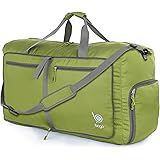
Bago Large Foldable Duffel Bags for Traveling Women & Men - 80L Packable Duffle Bag for Travel with Shoe Compartment - Water Repellant, Heavy Duty, Lightweight Folding & Collapsible (Green)
$22.49 (as of November 22, 2025 15:03 GMT +02:00 - More infoProduct prices and availability are accurate as of the date/time indicated and are subject to change. Any price and availability information displayed on [relevant Amazon Site(s), as applicable] at the time of purchase will apply to the purchase of this product.)
YOOLIFE Christmas Gifts for Women Teen Girls Kids Stocking Stuffers - Initial Makeup Bag Cosmetic Bag Toiletry Pouch, Personalized Birthday Gifts for Women Girls Mom Daughter Sister Friends, Pink M
$13.99 (as of December 2, 2025 03:27 GMT +02:00 - More infoProduct prices and availability are accurate as of the date/time indicated and are subject to change. Any price and availability information displayed on [relevant Amazon Site(s), as applicable] at the time of purchase will apply to the purchase of this product.)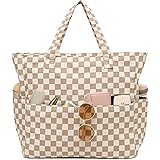
LEDAOU Large Beach Tote Bag Women Waterproof Sandproof Zipper Beach Tote Bag for Pool Gym Grocery Travel with Wet Pocket
$16.80 (as of December 2, 2025 03:27 GMT +02:00 - More infoProduct prices and availability are accurate as of the date/time indicated and are subject to change. Any price and availability information displayed on [relevant Amazon Site(s), as applicable] at the time of purchase will apply to the purchase of this product.)As an Amazon Associate, we earn from qualifying purchases.
14. FAQs for First-Timers
Got more questions about your first trip to Austria? Here are some frequently asked questions to help clear up any remaining doubts.
What is the currency in Austria?
The currency in Austria is the Euro (€). Credit and debit cards are widely accepted, but it’s always good to have some cash for smaller purchases, local markets, or in more rural areas.
Do I need to speak German?
While German is the official language, English is widely spoken in tourist areas, hotels, and major cities, especially by younger generations. Learning a few basic German phrases like “Hallo” (Hello), “Danke” (Thank you), and “Bitte” (Please/You’re welcome) will be appreciated.
Is Austria expensive?
Austria can be considered moderately expensive compared to some Eastern European countries, but generally on par with or slightly less expensive than Western European countries like France or Germany. Vienna and Salzburg are the most expensive cities. You can manage costs by staying in hostels, eating at local eateries, and utilizing public transport.
What’s the best way to get from Vienna Airport to the city center?
The fastest way is the City Airport Train (CAT), which takes 16 minutes to Wien Mitte. More affordable options include the S-Bahn (local train) or regular ÖBB trains, which take slightly longer but are cheaper. Buses are also available.
Can I drink tap water in Austria?
Yes, absolutely! Tap water in Austria is of excellent quality and perfectly safe to drink throughout the country. Vienna’s tap water, for example, comes directly from Alpine springs.
What are the typical opening hours for shops?
Most shops in Austria are open from Monday to Friday, typically from 9:00 AM to 6:00 PM or 7:00 PM. On Saturdays, they usually close earlier, around 5:00 PM or 6:00 PM. Most shops are closed on Sundays, except for those in train stations, airports, or some tourist areas.
Is tipping customary in Austria?
Yes, tipping is customary. In restaurants, it’s common to round up the bill or add 5-10% if service is not included. For taxi drivers, round up to the nearest Euro. For hotel staff, a small tip for good service is appreciated.
What’s the dress code for cultural events like opera?
For a formal opera or classical concert, smart casual to semi-formal attire is appropriate. Men might wear a jacket, and women a dress or smart trousers. However, for most events, especially during the day or less formal concerts, comfortable but neat clothing is fine. Always check the venue’s specific recommendations if unsure.
15. What’s Next? More Guides to Explore
We hope this comprehensive Austria Travel Guide has inspired you and provided all the essential information for planning your first unforgettable trip. Austria is a country that truly has something for everyone, from imperial grandeur to breathtaking alpine landscapes.
Happy travels, and enjoy every moment of your Austrian adventure!
Related Articles to Inspire Your Next Adventure:
🇪🇺 Western Europe
🇪🇺 Southern Europe
🇪🇺 Northern Europe
🇪🇺 Central Europe
🇪🇺 Eastern Europe & Baltics
🌍 Continental Overview
References:
European Union. (2025, April 14). Revised timeline for the EES and ETIAS. Retrieved from Official EU Site

